
Gus Santoscoy: The Man Building Mexico's Sports Tourism Engine
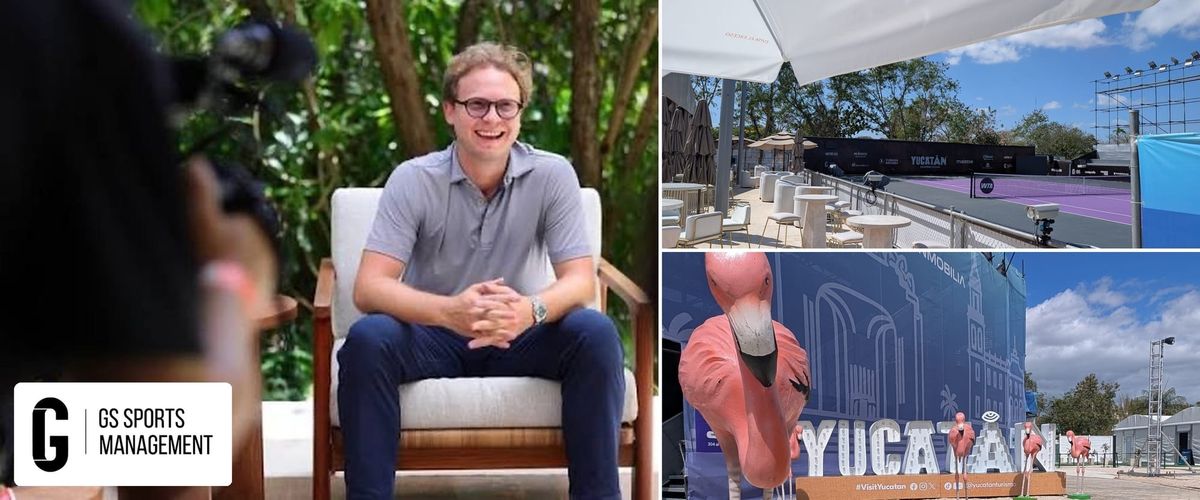
I had never heard of GS Sports Management until I volunteered at the WTA Mérida 500 in 2026. I was there to learn, to be useful, and to get a first real look at how a professional tennis event actually comes together behind the scenes. What I didn't expect was to meet the person now leading that entire operation, and an entire portfolio of major Mexican sports events I had no idea sat under their umbrella.
That person was Gus Santoscoy. Recently, Forbes México named him to its 2026 30 Under 30 list, at 28 years old, CEO of a company that has already delivered the WTA Finals twice.
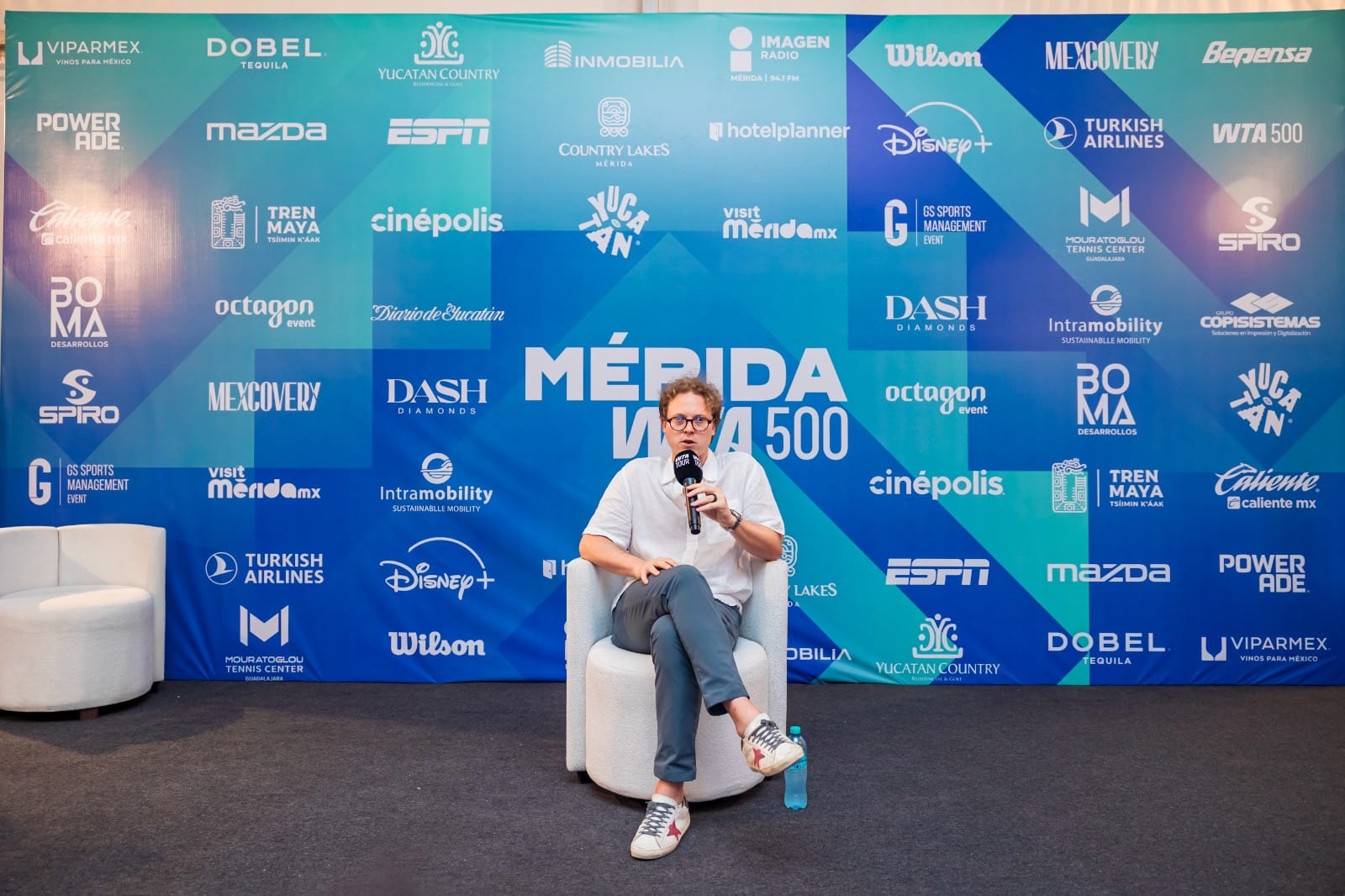
From WTA 250 to WTA Finals in Under Two Months
Santoscoy's path to running GS Sports Management wasn't a slow climb. "The steepest operational learning curve for me was going from organizing a WTA 250 event to hosting the WTA Finals in Guadalajara in 2021, with less than two months to prepare," he told me. "We later hosted the WTA Finals again in Cancún in 2023. Delivering these two events required us to scale every aspect of the operation, from infrastructure and logistics to player services, hospitality, security, and international coordination."
GS Sports Management's events didn't just borrow those cities' names for a tournament banner, they landed in exactly the parts of the country the rest of the industry is now betting on. Guadalajara sits in Jalisco, and Cancún sits in Quintana Roo, two of the three states a recent Google and Álvarez & Marsal report singled out as leading Mexico's $36.7 billion tourism investment pipeline, currently spread across nearly 700 projects nationwide.
Expansion into new markets brought its own test. "Each market requires building a reliable local network and assembling a team capable of delivering every operational area to the same international standard," he said. "These experiences taught me how to adapt quickly, develop strong teams, and replicate a world-class event model across different destinations."
The Economic Case for Sports Tourism
Santoscoy's pitch to stakeholders isn't just about broadcast exposure. "These events deliver global exposure, international promotion, and strong visibility for the host city, the country, and our commercial partners," he explained. "Beyond branding, they generate significant economic activity through tourism, hotels, restaurants, transportation, local suppliers, and job creation."
That argument lines up with where Mexico's tourism numbers actually stand. The country welcomed 47.8 million international tourists in 2025, a 6% increase on the year before, with total tourism revenue exceeding $34.99 billion. The federal government's stated goal is to become the world's fifth most-visited country by 2030, which would require roughly 3 million additional international visitors every year between now and then. Mexico is already the largest inbound destination for American travelers, receiving 27% of all international trips taken by US tourists.
Santoscoy's events are a working, sport-specific example of the exact growth pattern the country is chasing at a macro level, international visibility converting into hotel nights, local spending, and repeat destination credibility. "Most importantly, successfully delivering international events builds credibility through sport and strengthens the destination's ability to attract future events, visitors, and investment," he said.
Turning Player Success Into Sponsor Relationships
Santoscoy's global vision for GS Sports Management centers on a specific idea, that sporting success itself can be the thing that brings international brands to the table. "My priority has been to show the world that Mexico has the talent, infrastructure, and organizational capabilities to host and promote the best sporting events in the world," he said.
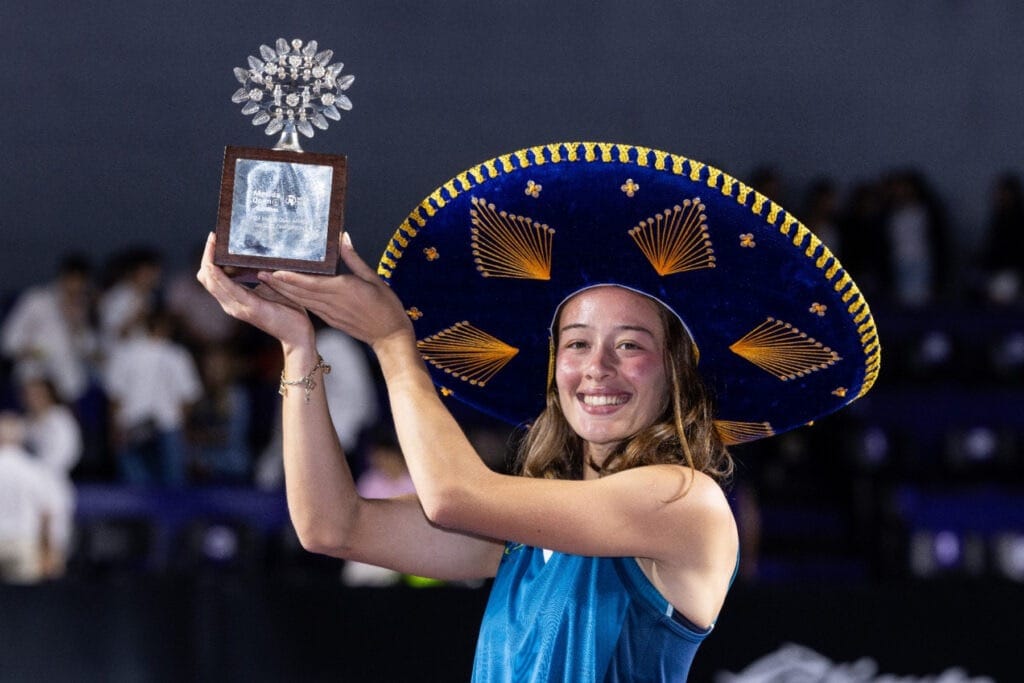
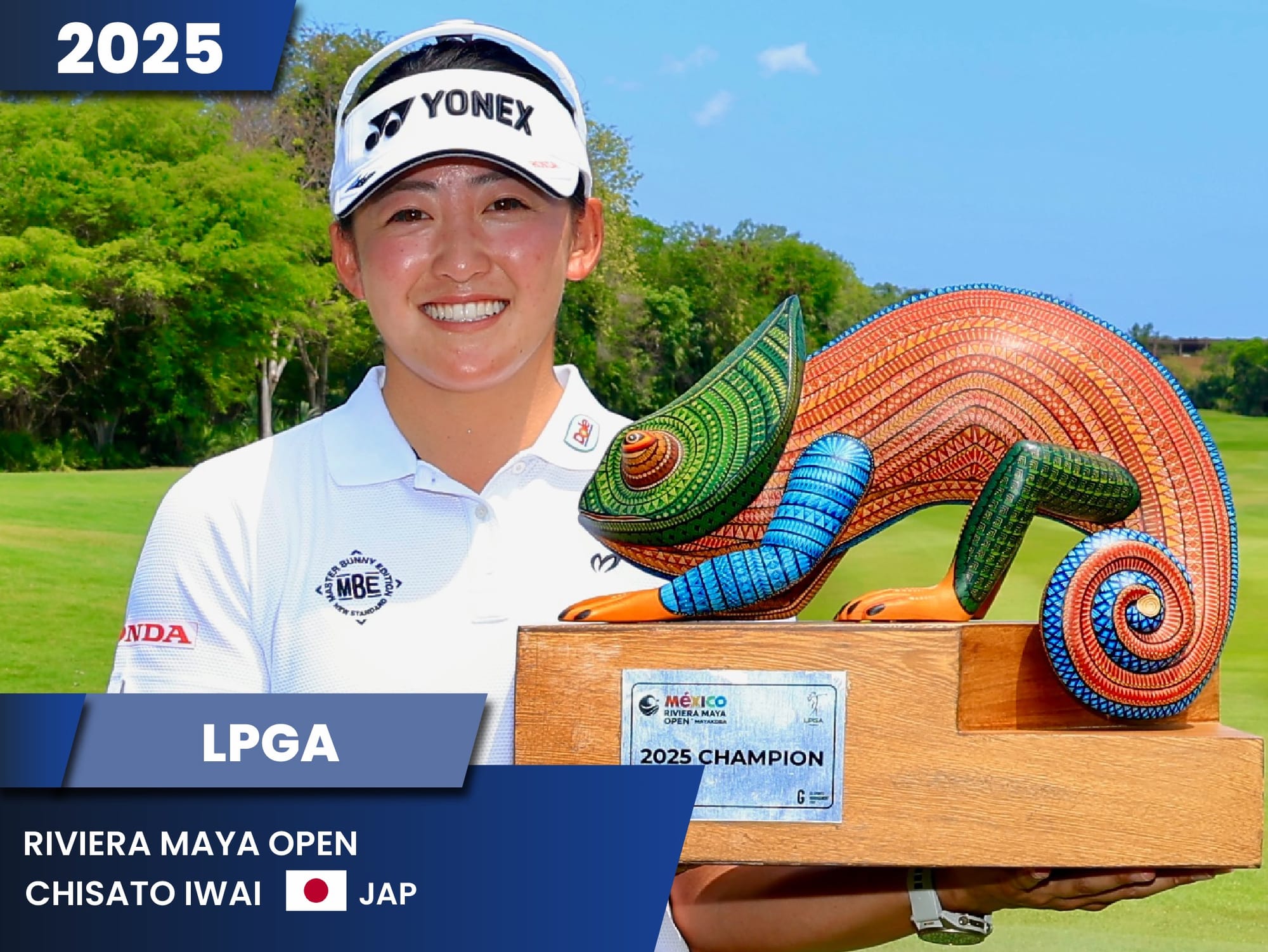
That vision has helped attract major global brands to GS Sports Management's events, including Mazda, Rolex, TotalEnergies, Turkish Airlines, and Pocari Sweat. Two of those partnerships in particular show how directly that vision has played out. Turkish Airlines became a tournament sponsor after Turkish player Zeynep Sönmez won at Mérida in 2024, and Pocari Sweat signed on after Japanese golfer Chisato Iwai won GS Sports Management's LPGA event at Mayakoba in 2025. In both cases, a player's individual result at a Mexican event became the reason a global brand chose to put its name behind the tournament itself. "These are strong examples of how sporting success can connect Mexico with global audiences and create authentic opportunities for international brands to showcase themselves through our events," Santoscoy said.
What Comes Next
GS Sports Management's current portfolio, the Guadalajara Open WTA 500, the WTA Mérida 500, and LPGA Riviera Maya, keeps the company anchored in the same two states leading the country's tourism investment surge. With Mexico's international arrivals still climbing and the federal government pushing hard toward its 2030 target, Santoscoy's own trajectory, from a WTA 250 with two months' notice to a Forbes 30 Under 30 honoree running events across both the WTA and LPGA tours, looks less like an outlier and more like an early example of where Mexican sports tourism is headed.
I showed up in Mérida to learn how a tennis tournament gets built. I left having met the person leading the company that's building a case for what Mexican sports business can look like over the next decade.
Jake Scudder
Journalist – topics of tennis