Tomorrowland Just Entered Tennis, and I Can't Write About It Without Getting Personal
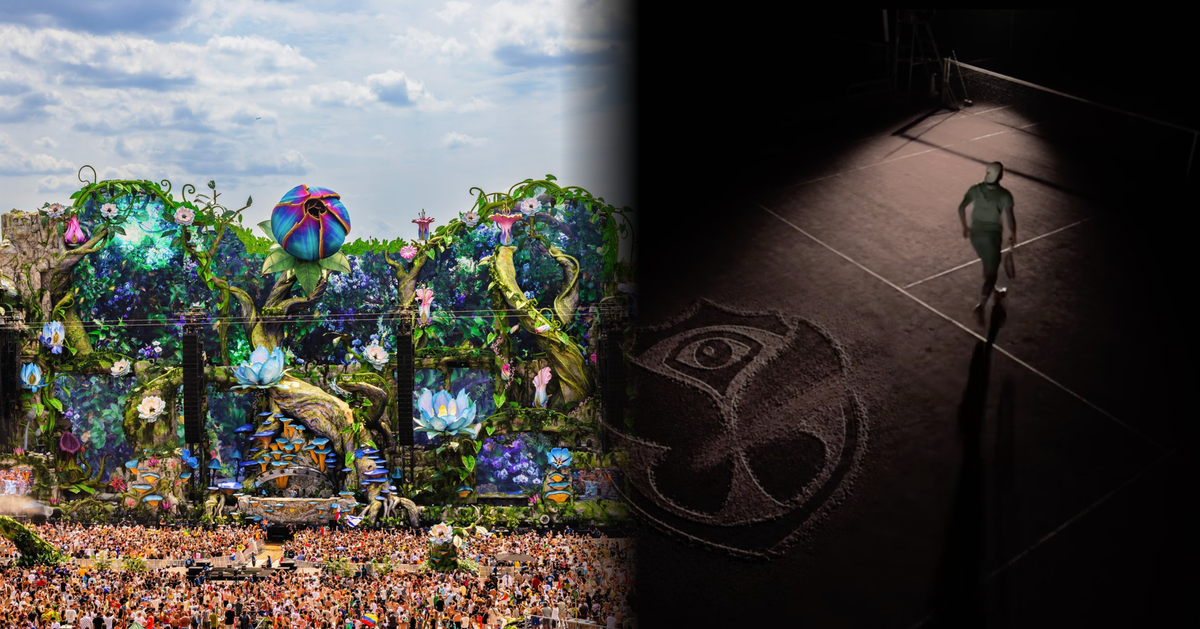
This could be the most excited I've ever been to write an article, so bear with me, because this one comes with genuinely incredible partnership news that's deeply personal to me and my fiancée.
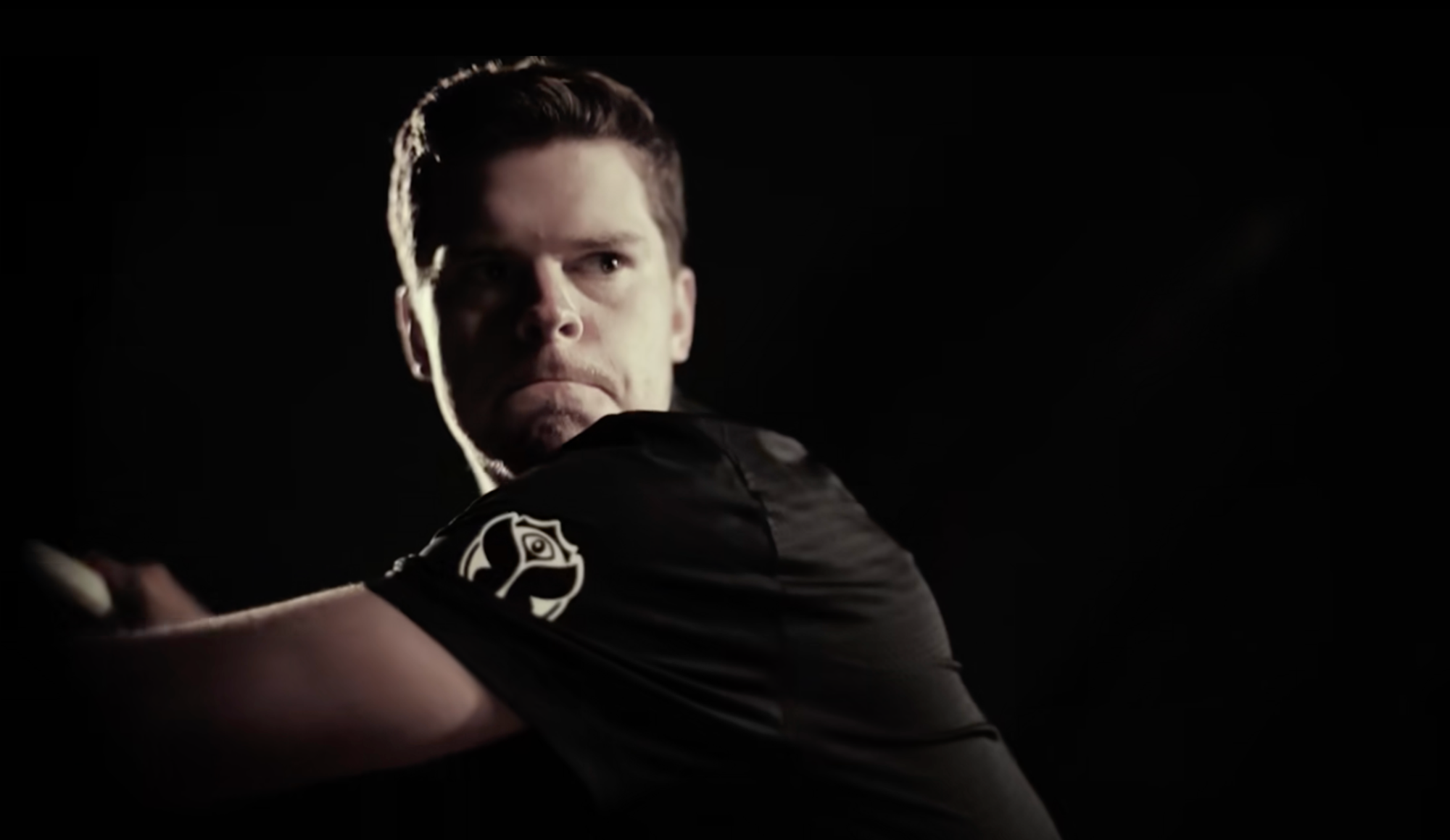
I was sitting on the couch last night watching the ATP Montreal match between Jiri Lehecka and Belgian Alexander Blockx, a player who'd already captured my attention with his impressive clay-court run to the final in Estoril, Portugal last month. As Blockx got ready to serve, I noticed something flapping in the wind on his sleeve. I had to stand up in front of the TV to believe what my eyes were telling me. They weren't lying. It was a Tomorrowland logo, and I immediately yelled down the hallway for my fiancée to come see what all the commotion was about.
Now you might be asking, what is Tomorrowland, and why the fuss?
Tomorrowland is the world's most famous electronic dance music festival, held annually in the small town of Boom, Belgium. What started in 2005 as a one-day event with about 9,000 attendees has grown into a genuine global phenomenon, drawing over 400,000 people from more than 200 countries across two weekends each summer.
It's also the place where I got down on one knee for my fiancée, live on Tomorrowland's One World Radio, with the help of radio host and friend Adam K, who organized the entire unforgettable moment for us. My family in Australia and hers on the opposite side of the country tuned in live on YouTube at 3am to share it with us in real time.
So when I saw that logo on Blockx's sleeve in Montreal, this wasn't just a tennis player wearing a new sponsor. It was a piece of my own story showing up on a hard court in Canada. Which made me want to actually understand what this partnership is, and why it's happening right now.
What we actually know
Details are still relatively thin, and there's been no formal press release from Tomorrowland itself. What's clear is that the players confirmed it first, not the festival or an agency.
Just before his opening match at Roland-Garros in late May, fellow Belgian Zizou Bergs posted on his own social media that he'd be partnering with Tomorrowland alongside Blockx and Raphaël Collignon, Belgium's third member of this breakthrough generation, calling it "a sponsorship with the three best players in Belgium" and adding that it's "really great to work with a big Belgian brand of international renown." Collignon confirmed it separately in his own post-match interview, saying he'd been approached one or two months earlier and calling Tomorrowland "a mythical festival in Belgium" he'd watched since he was young.
After Bergs and Collignon won their first-round doubles match together in Paris, the pair spoke about the partnership warmly in a joint interview, saying they'd built a united team and would be dancing at Tomorrowland together, Collignon joking they'd be sticking to "a 0% beer" while they're at it.
Wout Fierens, whose agency set up the deal, added more detail afterward in a LinkedIn post, saying the agency spent two months setting up the partnership, organizing the launch campaign, and preparing activations for the coming years, deliberately timed to go live right before Roland-Garros, for what he described as the biggest possible stage for Belgian tennis to make an impact.
That post ended with "more to come soon," which is worth taking at face value. This still looks like an early phase rather than the full rollout.
The activation that followed
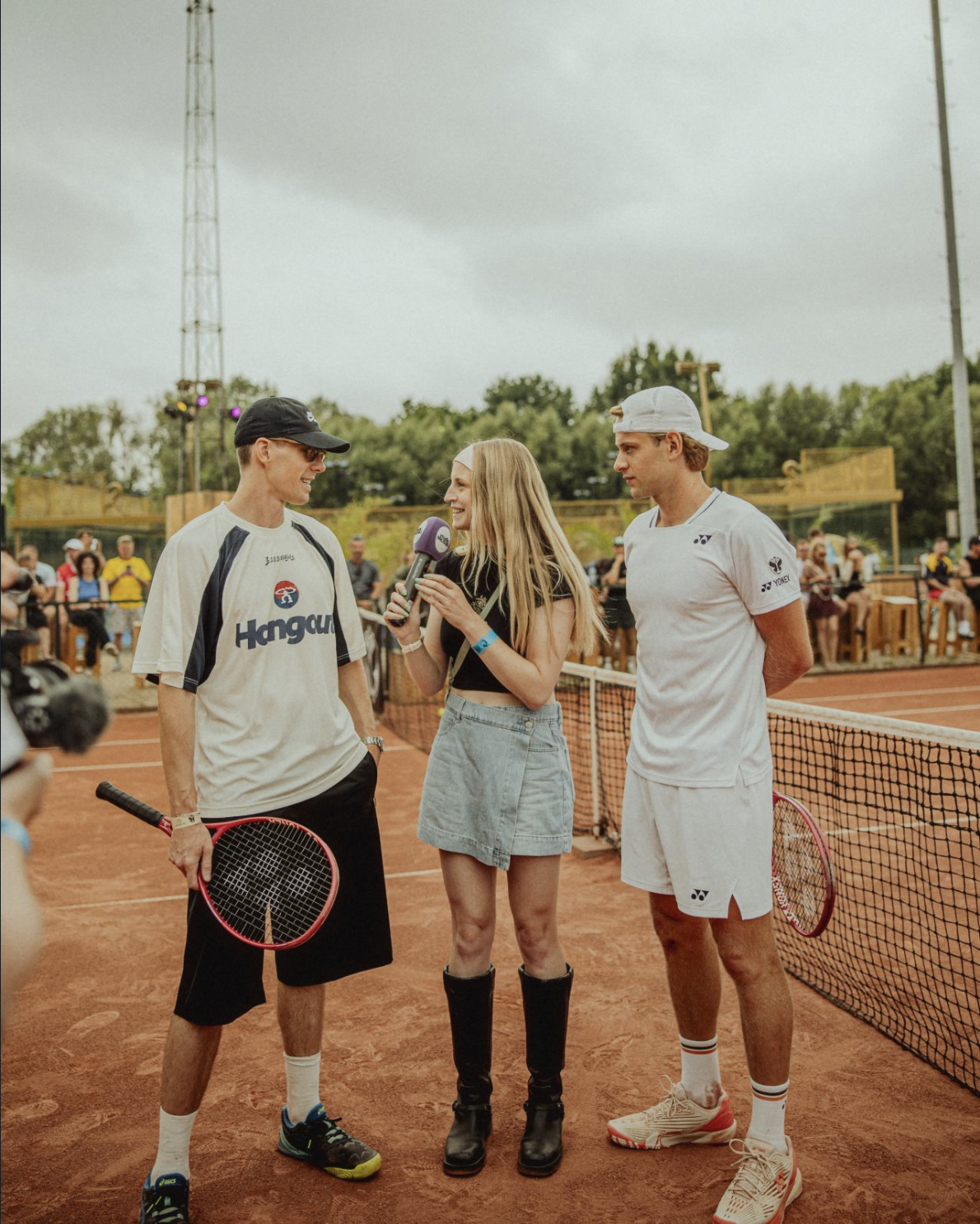
One piece of "more to come" has already happened. At Dreamville, Tomorrowland's on-site campsite, during the festival's Weekend 2 Gathering on July 23, Bergs teamed up with Belgian DJ and producer Lost Frequencies to play doubles against attendees on Tomorrowland's own tennis courts. This isn't just a self-reported claim, Tomorrowland's official Facebook page confirmed the event directly, and it was picked up independently by outlets covering the festival's expanding sports facilities. More than 700,000 combined views have been reported across the campaign.
Why this is a smarter play than it looks
The interesting part isn't simply that Bergs and Lost Frequencies played tennis at a music festival. It's the brand strategy underneath it, Tomorrowland connecting its global entertainment identity with three of Belgium's most prominent young male tennis players.
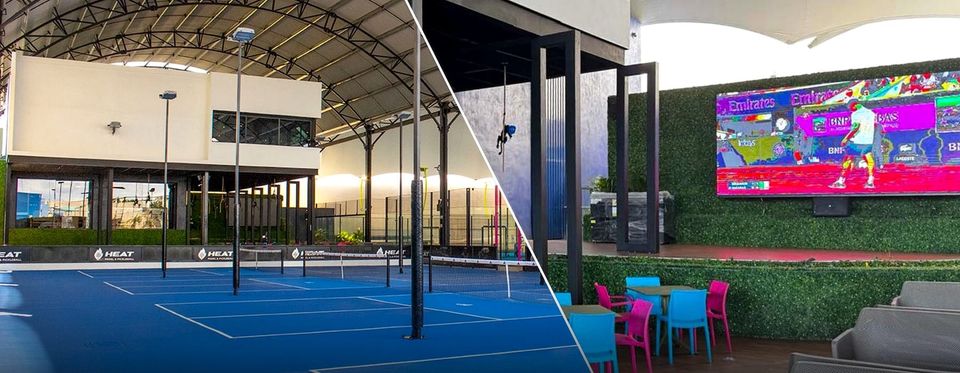
Tomorrowland doesn't need tennis for reach. It already draws 400,000-plus attendees from over 200 countries and is one of the most recognized entertainment brands in the world. This isn't an exposure play, it's an identity play. Dreamville itself has quietly built out tennis, padel and pickleball courts alongside a full gym, yoga, boxing and a running club, Tomorrowland has been repositioning itself as a lifestyle and wellness brand for a while now, and the tennis sponsorship fits that shift rather than standing apart from it.
Signing all three of Belgium's closely bunched golden generation, rather than betting on a single breakout name, hedges the risk of picking wrong while building a "team" narrative around the brand itself. And underneath both of those things sits a national identity play, Belgium's biggest entertainment export aligning itself with Belgium's rising sports stars, at the exact moment that generation is breaking through.
A brand that's stopped being just a festival
Tomorrowland's global footprint backs this up. Outside Belgium, the festival now runs Tomorrowland Brasil, running since 2015 and resuming again in 2027, Tomorrowland Winter in the French Alps since 2019, and this December, its first-ever Asian edition, Tomorrowland Thailand, in Pattaya. The festival's own 2026-2027 theme, Consciencia, was deliberately built as a multi-year story spanning Belgium, Thailand and Brazil, described by organizers as a living narrative that travels across continents, connecting cultures and communities through one unified vision.
That's not just marketing language to me. I got down on one knee there in 2022, with my family on one side of Australia and my fiancée's family on the other, all watching the same moment unfold together at three in the morning, because a festival built a way for that to happen. It sounds naive, maybe, in a world that feels short on exactly that kind of connection right now. But I've always believed there's something Tomorrowland gets right that the rest of the world could use a little more of. Spreading that feeling into tennis, into sport, into anywhere else it can reach, isn't a stretch. It's exactly what the brand has been building toward all along.
Jake Scudder
Journalist – topics of tennis