How the New World TeamTennis Is Reimagining Tennis for Sponsors
Tennis has tried "faster and shorter" before. What's different about World TeamTennis's 2026 relaunch is that it isn't really selling a quicker match. It's selling a more predictable, more sponsorable product, and that's a much bigger swing.
With a streamlined broadcast window, a player-equity franchise model, and unified team kits, the relaunched World TeamTennis (WTT) is positioning itself as one of the most commercially ambitious projects in professional tennis.
When WTT announced its official return for the December 2026 season, it didn't just promise a faster version of tennis. It unveiled a significant restructuring of the sport's commercial framework. By shifting to premier metropolitan arenas and adopting a city-based franchise model, the league is embracing several strategies that resemble those used by LIV Golf and other team-focused sports properties.
For sports media buyers, corporate brands, and independent tennis analysts, the relaunch represents something traditional professional tennis has often struggled to provide: a predictable, brand-friendly environment for broadcasters and advertisers.
The "LIV Effect": Tribal Fandom and Player Equity
Traditional professional tennis relies heavily on individual star power. When a marquee player is eliminated early from a tournament, attendance and television audiences can decline. WTT aims to reduce that dependence by emphasizing team identity over individual participation.
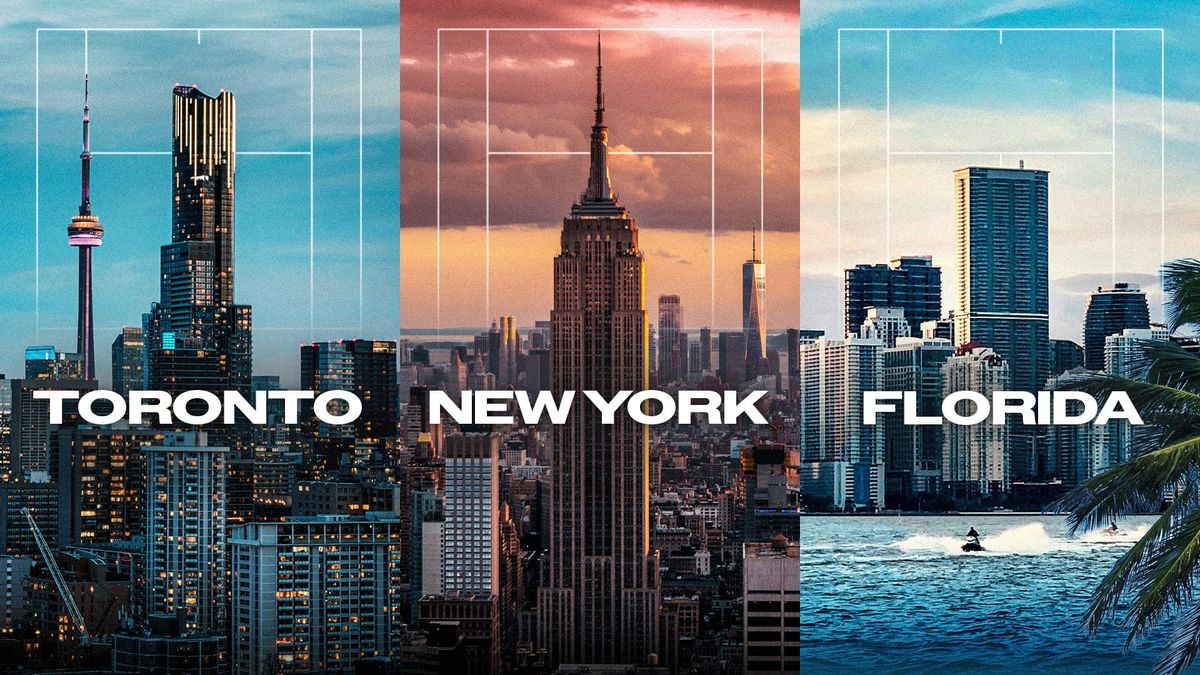
Geographic identity. By anchoring teams to major sports markets such as New York City, Miami, and Toronto, WTT gives fans a local team to support rather than following only individual players. The approach mirrors the city-based loyalties that drive many successful professional sports leagues.
The player-equity advantage. A core feature of the 2026 relaunch is WTT's player-equity ownership model, allowing competing athletes to hold ownership stakes in the league. Similar to franchise-based sports models, this structure aligns players' financial interests with the long-term success of their teams and the league, potentially encouraging greater engagement with fans and more consistent promotion throughout the season.
Year-round corporate partnerships. Unlike traditional tournament sponsorships that may last only a single event, franchises create long-term commercial assets. Brands can align themselves with permanent team identities featuring distinctive logos, colors, merchandise, and local community engagement throughout the year.
The Two-Hour Window: Addressing Broadcast Scheduling
For decades, broadcasters have faced one persistent challenge with professional tennis: match length is difficult to predict. I still remember watching the 2010 Wimbledon first-round match between John Isner and Nicolas Mahut stretch across three days, a match nobody expected to matter, let alone become an 11-hour, five-minute marathon that broke the scoreboard. A contest can finish in little more than an hour or turn into that. Complicating programming schedules and advertising commitments is one thing. Isner-Mahut broke them entirely.
WTT's redesigned format seeks to reduce that uncertainty through structural limits on match length. By replacing traditional scoring with four singles matches (Men's No. 1 and No. 2, Women's No. 1 and No. 2) followed, if necessary, by a deciding mixed doubles Super Tiebreak, all using no-ad scoring, the league creates a far more predictable broadcast window.
Although every match has an upper time limit, most are expected to finish well below that ceiling, since not every game reaches its maximum possible length. Based on the format's structure, matches could reasonably be expected to run 90 to 110 minutes on average.
For broadcasters and advertisers, a more consistent event length makes inventory planning and commercial scheduling considerably easier than in traditional tournament tennis.
Monetizing the "Micro-Moments"
Within that predictable broadcast window, WTT's format creates numerous high-attention moments that may appeal to advertisers.
The 3-3 sudden-death point. Every game reaches a decisive point at 3-3 under no-ad scoring, creating recurring moments of heightened tension. These situations could provide opportunities for sponsored graphics, virtual court signage, or branded countdown elements that appear when viewer attention is naturally at its highest.
The Super Tiebreak finale. If the match requires a mixed doubles Super Tiebreak, the event concludes with a compressed, winner-take-all finish. This creates a similar sense of late-game urgency to the closing moments of other major professional sports, offering premium opportunities for sponsorship and advertising integration.
Equal visibility for men and women. WTT's format gives male and female athletes equal representation within every team competition. For brands seeking balanced exposure across both men's and women's sports, the format provides consistent visibility throughout each broadcast.
A New Merchandise Opportunity
In traditional tennis, players typically wear apparel supplied by their own sponsors, creating a mix of competing brands on court. WTT's franchise model introduces unified team uniforms, opening opportunities for soccer-style jersey sponsorships that are uncommon in elite tennis.
Because the franchises represent established sports markets such as New York, Toronto, and Miami, those uniforms will also become retail merchandise sold through arenas and online stores. Fans purchasing jerseys, hoodies, and hats will extend sponsor visibility beyond the broadcast and into everyday fan engagement, creating layers of exposure for advertisers.
A Different Commercial Model for Tennis
Whether WTT's commercial redesign translates into sustained fan interest remains an open question. A shorter, team-based format may appeal to broadcasters and sponsors, but the league will still need to convince tennis fans that franchise loyalty can complement a sport traditionally built around individual stars and the prestige of the ATP, WTA, and Grand Slam tours.
Still, the commercial logic behind the relaunch is difficult to ignore. Tennis has long been criticized for its fragmented structure and limited ability to package itself as a consistent television product. WTT Chief Executive Officer Stephen Amritraj believes the new format addresses those challenges.
"We've been intentional about listening to tennis fans and revamped WTT's entire fan experience from the ground up to create a truly unique team product in tennis. From our new format to the in-arena experience, every decision has been driven by one goal: delivering more value to fans to help grow the sport."
By combining city-based franchise loyalty, player ownership, standardized branding, and a broadcast-friendly format, World TeamTennis is attempting to address several longstanding concerns broadcasters and advertisers have expressed about traditional professional tennis. Whether that's enough to build lasting fan interest is still an open question, but as a piece of commercial engineering, it's one of the more deliberate attempts tennis has made in years.
Jake Scudder
Journalist – topics of tennis