
The Best Players in the World Say the Balls Have Gotten Worse. Your Questions, Answered.
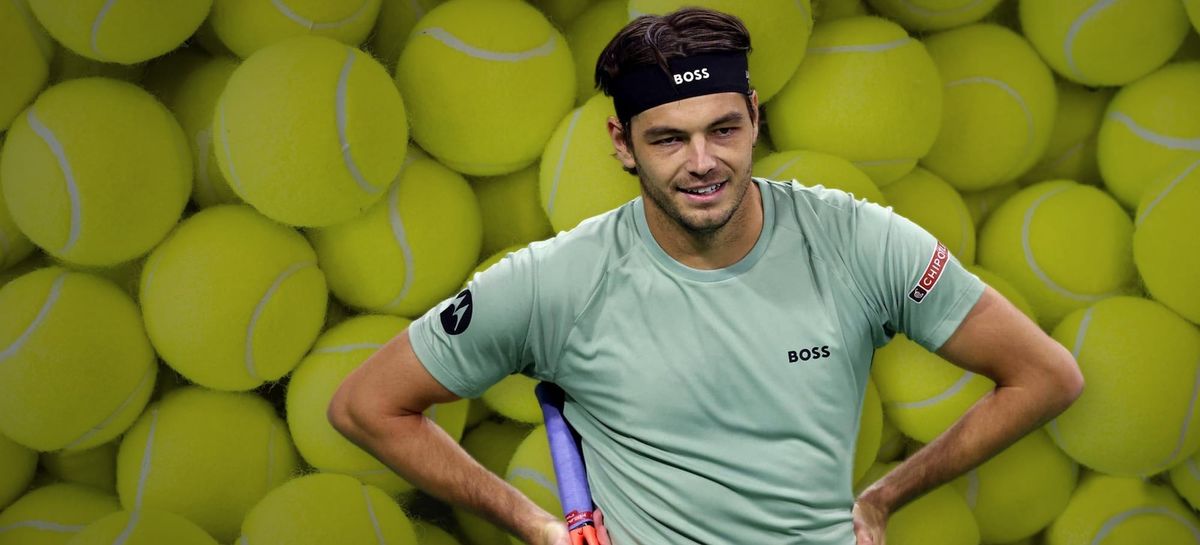
In September, Taylor Fritz posted a long complaint on X that plenty of club players probably nodded along to. Two days of practice with Wilson US Open balls, he wrote, had been "miserable." He's far from the only player saying it, so here's a straightforward guide to what's going on and why nobody has fixed it.
What exactly are players complaining about?
Two things. The first is that balls go "dead" too quickly, losing their bounce and speed within a few games. The second, which was Fritz's point, is that the balls you can buy in a store don't play like the tournament versions, even though they're sold, marketed and labeled as the same ball. Fritz said he tried multiple cans to rule out a bad batch, and that other players had noticed the same thing.
Is it really that many players?
It's a long list, from both tours and every playing style. Daniil Medvedev said late in a set the balls felt "like apples," and that it was like playing padel. As someone who plays padel in Tulum, I know exactly what he means, and it isn't a compliment for a tennis ball.
Jessica Pegula said the balls "just don't last," and that Wilson balls bought at home aren't the same as the US Open ones. Alexander Zverev called them "just not controllable" after a loss in Montreal. Arthur Fils called the Indian Wells balls "terrible" after the event switched to Dunlop. Venus Williams, Novak Djokovic and Andy Roddick have all raised similar concerns.
Why would one ball play differently from another?
Most pro balls are pressurized, which is why they come in sealed cans. Once a can is opened, the ball starts to lose pressure, and the felt fluffs up and wears with every hit. Heat, humidity, altitude and court speed all change how a ball plays, too.
Aren't all tour balls tested?
Yes. Every ball used on tour has to be approved by the ITF, which tests things like weight, size, bounce and how much the ball deforms under pressure. But approval sets a range, not a single number. Two batches can both pass and still feel noticeably different to a player who hits thousands of balls a week. That gap between "approved" and "identical" is where a lot of the frustration comes from.
Why don't the tours just use one ball?
Because the ball is a commercial deal. Each tournament has its own supplier. Wilson is the ball of the US Open, Slazenger of Wimbledon and Dunlop of the Australian Open, and the ATP has had an official partnership with Dunlop since 2019, running to 2028. Moving to a single tour ball would mean unwinding a lot of those deals.
Not every player wants it, either. Casper Ruud has argued that one ball would be unfair to players who prefer other brands.
What do the ball makers say?
Very little. Wilson's position is that its retail and tournament balls are made to the same specifications. But when NPR asked Wilson, Dunlop, Penn and Slazenger about consistency in 2024, all four declined to comment, and Wilson and Dunlop didn't respond to requests for comment on the latest complaints either. For brands that sell the "official ball" label to millions of club players, that silence is a missed chance to explain themselves.
Has anyone tried to fix it?
The ATP has. In August it trialed more frequent ball changes during an event, an experiment backed by its player advisory council, to see whether fresher balls would ease the complaints about balls going dead.
What does this mean if I play at my local club?
If the pros can't buy a ball that matches what they use on tour, neither can you. The brand on the can is no guarantee of how the ball will play, and a fresh can makes more difference than the logo. For the brands, the risk is bigger: the "official ball" label only works as long as people believe it means something.
Where should I watch for this next?
The ATP Finals start Sunday in Turin, played with Dunlop balls. If the balls come up in press conferences again, it'll be the same conversation on the biggest stage of the season, and the suppliers will have another chance to answer it.
Jake Scudder
Journalist – topics of tennis