
Electrolyte Pouches Are Coming for Sport. Could Tennis Be Next?
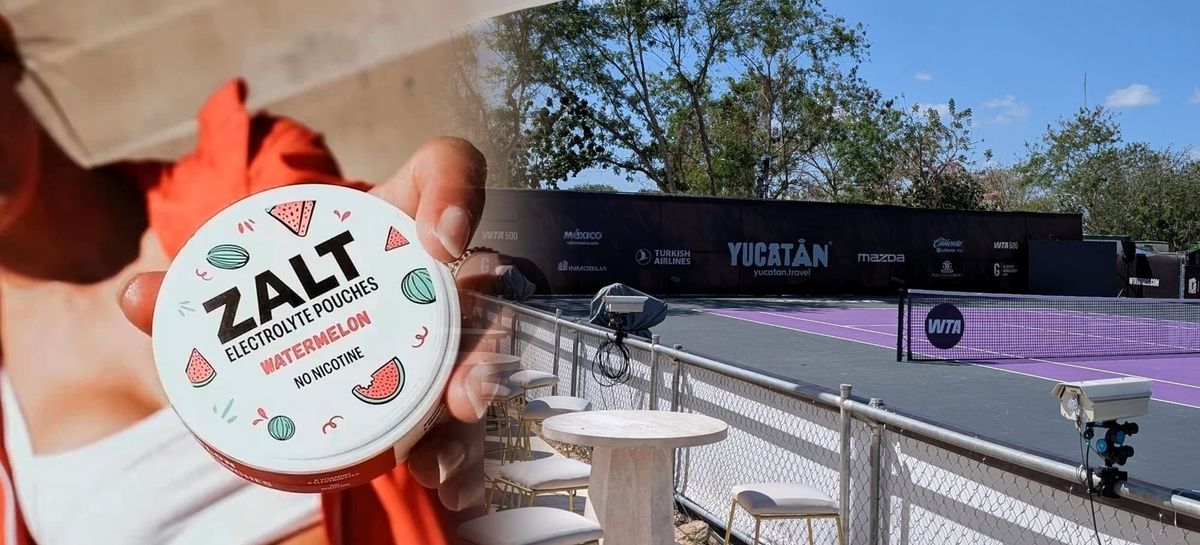
We live in a world that moves at a million miles an hour, and we've become a world that's always looking for a quick fix on the go. Whether it's running across town for another meeting, driving to the next job site, or heading straight from the office or university to your evening match, demand keeps rising for products that give us what we need almost instantly. Caffeinated energy drinks, protein-packed everything (in Australia right now it's out of control, with protein rice, cereal and pasta), and now electrolyte pouches. Yes, that's right. Gone are the days of forgetting to drink enough water during the workday, or drinking only water while your body craves salts and electrolytes before you head to sport or home to cook dinner for the family. Electrolyte pouches are pitched as a quick replacement for having to skull a Gatorade just to get those electrolytes back in.
I first came across ZALT while scrolling my social feeds, when two young founders pitched it on Shark Tank to a panel that included Kevin O'Leary, Mr. Wonderful himself. I was hooked within seconds. As someone who's guilty of using nicotine pouches, I know how easy it is to throw one in, a lip pillow as we call them in the pouch game, and feel a lift within minutes. That's nicotine, and I'm not recommending it to anyone. But now imagine the same format, nicotine-free, delivering salts and minerals instead. Then imagine you're a pro athlete, a tennis player in this case, watching how much liquid you take on through a four or five-hour match. That's why I think ZALT has tapped into a format that's already booming, just not in sport yet.
How ZALT Got Here
ZALT was founded by friends Sam Mitchell and Dominic Gozza and launched on January 12, 2026. By the time they filmed their Shark Tank pitch, which aired on ABC on October 7, they reported around $400,000 in sales and a $50,000 loss for the year to date. They asked for $150,000 for 5% of the business, a $3 million valuation.
The pitch split the room. Two Sharks went out early, one worried that kids could pass off nicotine pouches as the identical-looking electrolyte version. Guest Shark Steven Bartlett, who helped start the electrolyte brand Cadence, went out saying he couldn't see the use case. O'Leary liked the founders' candor and early sales. He opened at $150,000 for 15%, they countered at 10%, and the deal closed at $150,000 for 12.5%, valuing ZALT at $1.2 million.
The show then did what Shark Tank often does. In a release on October 27, ZALT said it had passed $1 million in revenue and 100,000 cans sold within 10 months of launch, and that the O'Leary deal had been finalized.
What's Actually in the Pouch
ZALT's own label lists 372 mg of active electrolytes per pouch: 190 mg of sodium citrate, 157 mg of potassium citrate and 25 mg of French sea salt, plus vitamins B6 and B12. There's no sugar, caffeine or nicotine, and a can of 15 pouches sells for $9.99.
The number that matters for athletes is lower than that headline figure. ZALT's FAQ puts the actual sodium at 55 mg per pouch, with 60 mg of potassium. For comparison, a single LMNT drink-mix stick carries 1,000 mg of sodium. ZALT itself compares a pouch to a cup of coconut water, and in their pitch the founders demonstrated it alongside drinking water normally, not instead of it. That's the honest way to read it: a convenient top-up, not a replacement for proper hydration.
Who's Already Using It
ZALT's website shows athletes across surfing, MMA, snowboarding, boxing and lacrosse, and says NFL and MLB teams are among those ordering. Tennis and padel are nowhere on that list yet.
Why Tennis Fits, and What Stands in the Way
On paper, tennis is a natural match. Matches can run four or five hours, often in serious heat, as anyone who's sat through an Australian summer knows, and players already manage fluids carefully at every changeover. A pouch is discreet, needs no mixing and fits in a racquet bag.
But there are three real hurdles before you see one on a changeover chair.
The first is the dose. Elite players losing heavy amounts of sweat need far more sodium than 55 mg at a time, so a pouch would sit alongside a player's existing drinks, not replace them. That's a smaller role than the "quick fix" pitch suggests.
The second is anti-doping. Pro players are responsible for everything they put in their bodies, and the sport has seen what contaminated products can do. Iga Swiatek served a one-month suspension in 2024 after a positive test was traced to contaminated melatonin. Most players will only touch supplements certified by third-party programs such as NSF Certified for Sport or Informed Sport. ZALT is honest about where it stands. It's sold as a supplement, so it isn't FDA approved, and it's made in FDA-registered facilities under GMP standards, with ingredients verified through certificates of analysis. On certification, the company says it is "working toward additional third-party certifications as we scale." Until that sport certification arrives, most tour players will likely stay cautious.
The third is the look-alike problem. The worry raised on Shark Tank, that the pouch looks identical to a nicotine pouch, matters more in a sport with a huge junior audience and family-friendly sponsors.
The Opportunity
None of that rules ZALT out. It defines the opening. A brand that gets certified, fits into players' hydration plans rather than competing with them, and signs a recognizable name on tour would have tennis largely to itself. Right now nobody in the category owns the sport, and ZALT's own roster proves there's appetite among athletes elsewhere.
ZALT has already done the hardest part, proving people will pay for hydration in a pouch. Tennis could be the market where it breaks through. Much of the tour is played in Europe, where pouches are already a familiar habit in places like Scandinavia, and if ZALT adds a sport certification and lands its first player on tour, it would be stepping into a sport that already knows the format.
Jake Scudder
Journalist – topics of tennis