Czech Mate: How a Nation of Ten Million Keeps Winning Wimbledon
When Karolina Muchova saved a match point against Coco Gauff in a ten-point tiebreak on Thursday, the roar inside Centre Court was for her. But in a quieter sense, it was also for Martina Navratilova, Jana Novotna, Petra Kvitova, and every Czech player who spent decades building something that looks, from the outside, almost too consistent to be accidental. Saturday's Wimbledon women's final between Muchova and Linda Noskova is not just the first all-Czech Grand Slam singles final in history. It is the latest chapter in the most methodical national tennis story the sport has ever produced.
To understand how a country of ten million people keeps arriving at this moment, you have to go back further than most casual tennis fans bother to. Former world number five Jan Kodes won Wimbledon in 1973, becoming the first Czech player to claim the title in the Open Era, and the country has barely left the conversation since. Navratilova, born in what was then Czechoslovakia, won the title nine times. Ivan Lendl collected eight Grand Slams in total, dominated world tennis for the better part of a decade, and later channelled that experience into coaching Andy Murray to two Wimbledon titles of his own. The Czech contribution to the modern game runs so deep that even in retirement, its legends have shaped the sport's other champions.
The men's game had its own sustained moment in the more recent era. Tomas Berdych reached the Wimbledon final in 2010, famously defeating both Roger Federer and Novak Djokovic in successive matches to get there, only to lose to Rafael Nadal in the final. He spent years ranked inside the world's top ten, reaching a career-high of four, and was a cornerstone of the Czech Davis Cup teams that won back-to-back titles in 2012 and 2013. Berdych was not a Grand Slam champion, but he represented something important: the depth beneath the headline names. Czech tennis does not just produce peaks. It produces a consistent floor.
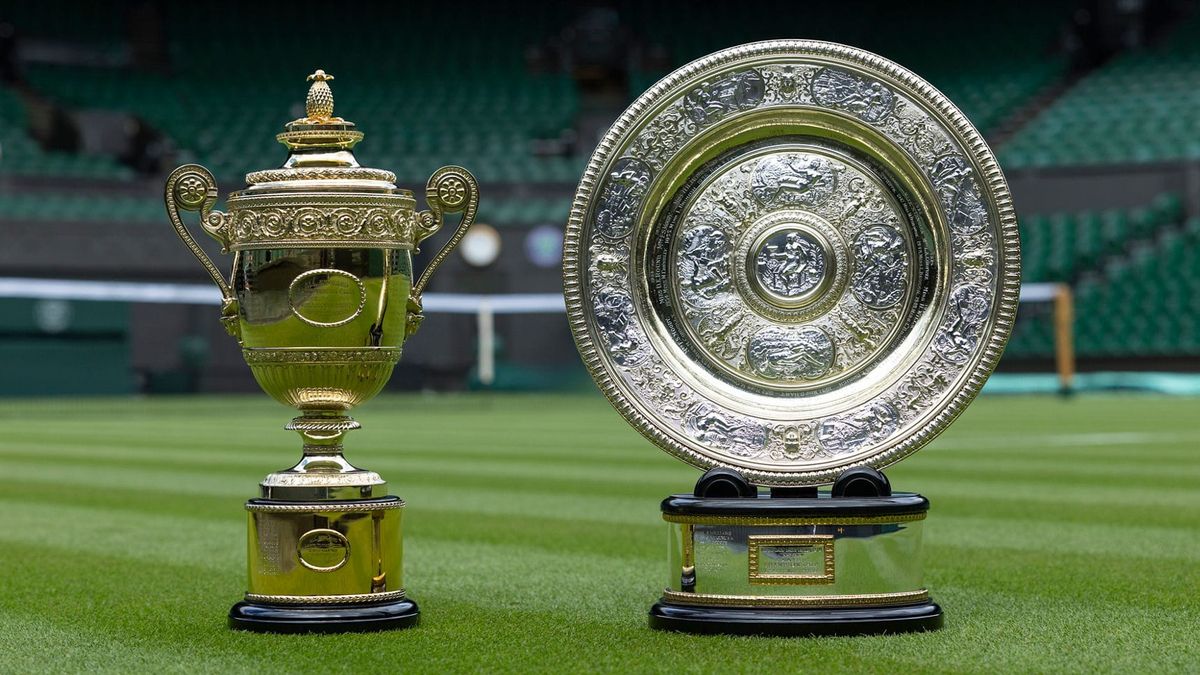
The women's side has been even more remarkable. A Czech player is now guaranteed to lift the Venus Rosewater Dish for the third time in the last four seasons, following Marketa Vondrousova's title in 2023 and Barbora Krejcikova's in 2024. The women also dominated the Billie Jean King Cup, claiming seven titles between 2011 and 2018. The thread connecting all of it runs through Novotna, who won Wimbledon in 1998 and later became Krejcikova's mentor, and through Kvitova, who won the title in 2011 and 2014 and served as an inspiration for Noskova specifically. Noskova has said Kvitova was probably the one Czech player she knew about as a child, since her Wimbledon titles had landed her on magazine covers and billboards across the country.
The question worth asking, particularly in a week when the world is watching two more Czech players contest a Grand Slam final, is what the system actually looks like underneath. Czech Tennis Federation Sports Director Jan Stoces has described the approach as placing a deep emphasis on technical development, but without limiting players to a single style. The result is a generation of players who look different from one another tactically, which is itself part of the country's story: Muchova's all-court precision against Noskova's relentless aggression, both products of the same national structure. That variety shows up in the small details too. When Noskova stepped onto a grass court for the very first time in Nottingham at eighteen, it was Barbora Strycova, a two-time Wimbledon doubles champion and Czech veteran, who was there to hit with her. "I was so lost," Noskova said. The knowledge transfers because the people who hold it stay close.
The secret sauce, as one tennis analyst described it, is the preponderance of modest tennis clubs spread throughout the nation, combined with an excellent stable of coaches, many of them pro-tour veterans, and a national pride that inspires and feeds on itself. This is not a high-performance factory model in the way that some national programs operate. It is something closer to a culture, distributed across small clubs, reinforced by role models who remain visible and accessible, and supported by a federation that develops at volume rather than betting everything on a handful of elite prospects.
Muchova said she was barely a tennis fan growing up and only figured out what a Grand Slam was as a teenager. Her parents did not raise her to be a tennis player; it was simply one of a number of sports she did. That detail matters more than it might seem. The Czech system produces champions who arrived at the sport organically rather than through intensive early specialisation, which cuts against the dominant narrative in global player development right now and invites a real debate about what the industry gets wrong when it manufactures prodigies.
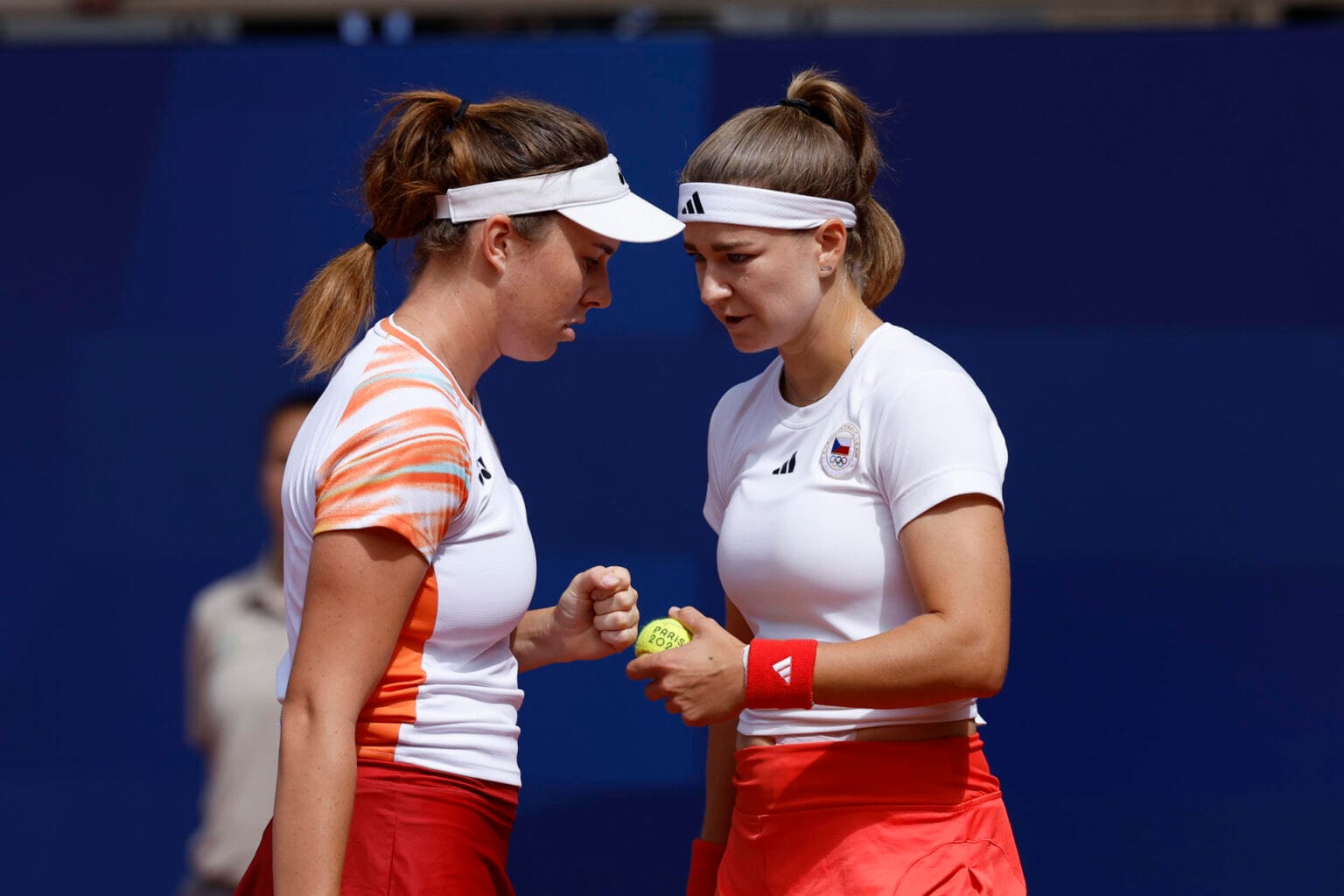
Saturday's final will be watched closely for the result. It probably deserves to be watched just as closely for what it represents structurally: a small country, with no particularly outsized investment in tennis relative to larger nations, producing a final between two players who are also Olympic doubles partners, who came through the same national system at different points, and who are now competing for the biggest title in the sport. Whatever the scoreline, Czech tennis will not need to rebuild after this. It will simply wait for whoever comes next.
Jake Scudder
Journalist - topics of tennis