Late-Night Tennis the Hidden Strain on Professionals
Addressing Late-Night Matches in Professional Tennis
Nearly three years ago, on a Thursday night in Glasgow, Scottish tennis star Andy Murray made his feelings about late-night matches known. Competing in Scotland’s Davis Cup tie against the USA, Murray, alongside Joe Salisbury, found himself battling in a tense three-set match that stretched into the early hours of the morning. The pair ultimately fell to the American duo, Rajeev Ram and Jack Sock, 5-7, 6-4, 7-5.
However, it wasn’t just the defeat that grabbed the headlines. Murray, frustrated with the late start to the match (22:10 local time), voiced concerns about how such scheduling affects the sport's image.
"It’s something that tennis needs to sort of have a bit of a think about,” he told reporters. “I don’t think it looks that professional. It would be better if they were earlier, I think, for everyone involved."
Late-Night Matches: A Tradition in Tennis
Overnight matches have long been a fixture of the sport. Tennis, as one of the most globally followed sports, frequently faces the challenge of catering to a diverse fanbase spread across various time zones. The packed schedules of Grand Slams and ATP/WTA Tour 1000 events often lead to these late-night encounters. A notable example is the legendary 2012 Australian Open final between Novak Djokovic and Rafael Nadal. The match lasted 5 hours and 53 minutes, ending at approximately 1:37 AM local time, with Djokovic emerging victorious.
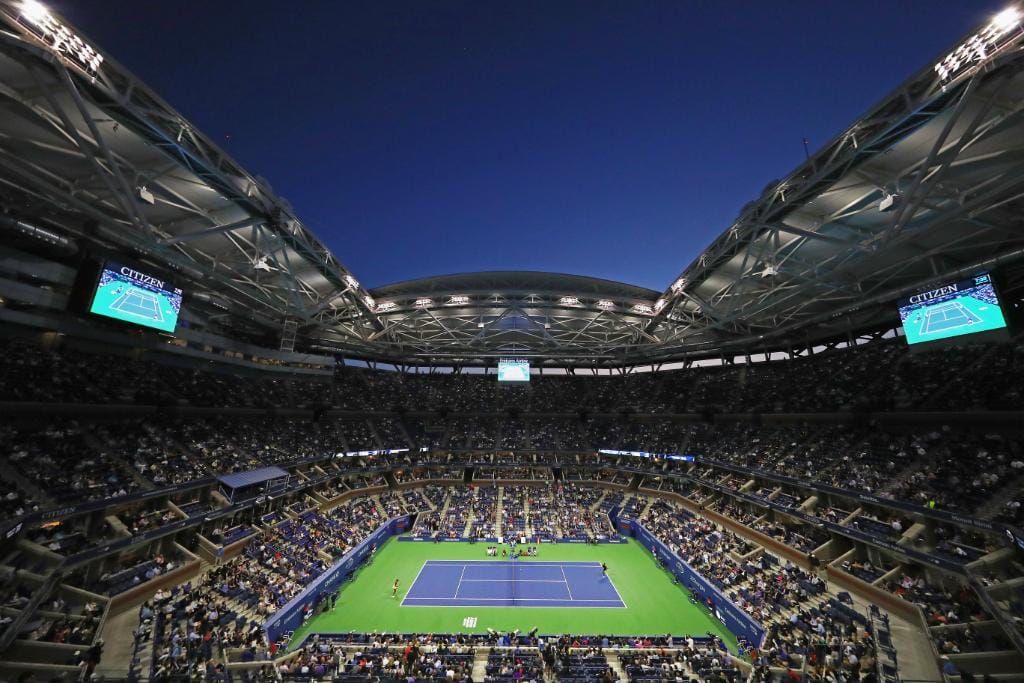
At the 2022 US Open, we witnessed another late-night marathon, as Carlos Alcaraz's battle against Jannik Sinner concluded at 2:50 a.m. local time, with Alcaraz emerging victorious. This quarterfinal matchup still holds the record for the latest match finish in US Open history. Another endurance battle I watched growing up occurred in 2008, when Lleyton Hewitt and Marcos Baghdatis battled through a memorable 5-set match at the Australian Open, which ended at 4:34 a.m. local time. While these late finishes have become part of the sport’s lore, they also raise growing concerns among players about their physical and mental well-being.
Murray’s comments from 2022 have made me revisit this topic in 2025 to see how, or if, the tennis landscape has changed.
A Global Game with Global Demands
Murray’s concerns from 2022 remain valid today, but it's essential to recognize that tennis is a truly global sport. Late-night match scheduling is often designed to cater to the sport's international fanbase, particularly given the variations in time zones. What may be an inconvenient time for players in one region could be the prime viewing window for fans in another. As tennis adapts to these global demands, it increases its exposure—and, in turn, generates more revenue through broadcasting and advertising. For example, major tennis events are often broadcast during prime time across markets in Asia, Europe, and the Americas. This scheduling sometimes requires matches to extend late into the night in the host country to accommodate local audiences in different time zones. These late-night broadcasts help drive higher viewership, attract more sponsorship deals, and generate increased revenue, ultimately benefiting the players financially. While players like Murray may express frustration with these schedules, the financial benefits of extended match times and a global audience are undeniable.
The Rise of Streaming: More Eyes on the Game
Another key factor driving the demand for late-night matches is the rise of streaming services. With major sports networks and platforms such as ESPN+, Eurosport, and Tennis TV offering live coverage of matches across multiple time zones, fans can now tune in at virtually any hour of the day. This has further globalized the sport, enabling tennis enthusiasts from around the world to engage with the game, regardless of geographic location. As a result, major tournaments are increasingly scheduled to accommodate international audiences, often extending late into the night. However, as the sport continues to grow in popularity and streaming platforms expand their reach, the scheduling pressures on players intensify.
Health and Player Well-Being
While many players voice concerns about late finishes, the reality is that these matches are vital for tennis' global exposure and commercial success. As the sport continues to expand, the revenue generated grows, allowing for better compensation for players. However, the health implications of late-night matches are becoming increasingly evident. Players, including Elena Rybakina and Iga Swiatek, have raised concerns about the physical and mental toll of playing into the early hours, as well as the insufficient rest before critical matches, which can affect their performance and elevate the risk of injury. Rybakina, for example, discussed how late nights in tournaments lead to inadequate recovery time, impacting her subsequent performances. Similarly, Swiatek has emphasized the need for a more balanced schedule to safeguard player welfare.
In response to these concerns, some tournaments have started implementing measures to better prioritize player welfare. These adjustments may include modifying match schedules or reducing the number of late-night fixtures within a tournament. Despite these efforts, the financial pressures from broadcasting deals and the demands of global audiences still heavily influence scheduling decisions.
The ATP and WTA's New Scheduling Rules
In January 2024, the ATP and WTA introduced new scheduling guidelines to reduce the number of late-night finishes. These changes aim to enhance player recovery, improve fan experience, and streamline tournament operations. The key adjustments include:
- A maximum of five matches per court per day, with three in the day session and two in the evening.
- No matches starting after 11 p.m. unless approved by ATP/WTA supervisors.
- Matches not started by 10:30 p.m. will be moved to alternative courts to avoid excessive delays.
- Night sessions to begin no later than 7:30 p.m., with a recommendation for a 6:30 p.m. start time.
These adjustments were prompted by high-profile late-night matches, such as Andy Murray’s second-round clash against Thanasi Kokkinakis at the 2023 Australian Open, which lasted over 4.5 hours and ended past 4 a.m. While these changes represent a significant step forward, they currently apply only to ATP and WTA events, meaning that Grand Slam tournaments, which operate independently, may continue with different scheduling practices.
For instance, Wimbledon enforces an 11 p.m. curfew, ensuring matches do not stretch into the early morning hours. However, other Grand Slams, like the Australian Open and U.S. Open, have historically allowed play to continue much later. The effectiveness of these new guidelines will be evaluated after the trial period, but they mark a proactive attempt to balance competition with player well-being and audience experience.
The Balancing Act: Player Health vs. Commercial Gains
Ultimately, tennis must strike a balance between the commercial pressures of global broadcasting and sponsorships and the well-being of its players. Murray’s concerns, alongside those of other players, contribute to the ongoing conversation about how to address the challenges posed by late-night matches. While these matches are essential to tennis' global reach, prioritizing player health to ensure they can perform at their best—without compromising their well-being—should remain a top priority.
The Way Forward
As tennis evolves, the question remains: How can the sport strike a balance between commercial success and player well-being? Murray’s comments, along with those from other players, play a pivotal role in shaping the ongoing conversation about the future of tennis. With growing media and fan demands, tennis must reassess its late-night scheduling, particularly for major tournaments.
Jake Scudder
Sports Journalist - Topics of Tennis