The US Open's Sustainability Program Is Old Enough to Vote. It's Also Become a Real Business Asset.
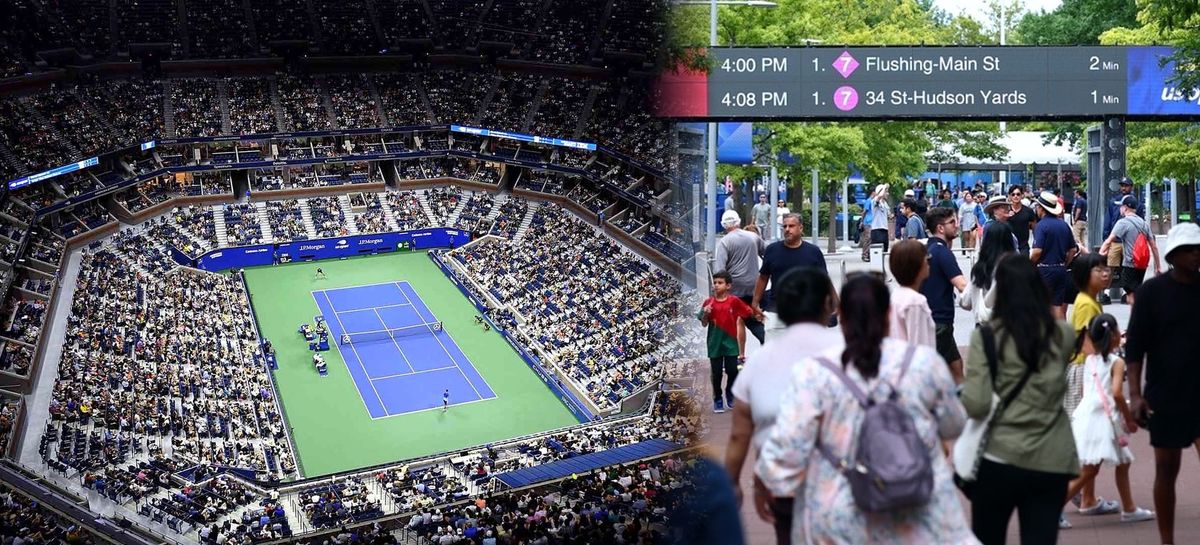
The US Open's environmental sustainability program is now in its 19th year, running continuously since its launch in 2008. Nearly two decades in, it's stopped being a side initiative and become something closer to permanent infrastructure, built into the tournament's actual construction, its food service, its merchandise line, and increasingly, its sponsor relationships.
What 19 Years Actually Built
The physical evidence is built directly into the venue. Louis Armstrong Stadium earned LEED Silver certification, with natural ventilation cutting energy use by 30% and construction that hit a 95% waste recycling rate. Grandstand Stadium, LEED certified since 2016, uses 15% less energy and 40% less water than a standard build, with a white roof designed to reduce heat. Arthur Ashe Stadium's renovations added energy-saving LED lighting, water-saving plumbing, and new white roofing to cut the heat island effect. Court lighting across the site now runs 50% more efficiently than standard stadium lighting.
According to the USTA's own sustainability reporting, last year alone, in 2025, the program diverted 100 tons of food waste from landfill, recycled 133 tons of cardboard, 77 tons of glass, and 10 tons of plastic, enough to fill 22 recycling trucks, and donated the equivalent of 55,000 meals to local communities. More than half of fans used public transportation that year, and the tournament offset roughly 13 million travel miles from players, officials, employees, and fans over Finals Weekend by funding high-efficiency cookstoves in Africa.
What's New This Year
Heading into 2026, the offset program is expanding in one specific, concrete way: officials' travel is now included in the carbon offset calculation for the first time, alongside players, employees, and fans, bringing the total offset figure to approximately 13 million miles again this year. The sustainability program is also being featured directly in the official 2026 US Open Program itself, putting it in front of fans as standard tournament material rather than a separate initiative.
The USTA continues to target close to 60% of fans arriving via mass transit or rideshare this year, transportation the USTA notes is three to five times more carbon-efficient than driving alone.
Where Sponsors Actually Show Up
What's genuinely notable, per the tournament's own sponsor disclosures, is how deeply specific those commitments have gotten, this isn't generic "we support sustainability" branding. Polo Ralph Lauren's ball crew polos are made from yarn derived from recycled tennis ball cans collected at the previous year's tournament, with functional stretch and moisture-wicking properties built in. Wilson's tennis ball cans have shifted to a 4-ball, no-label format using the brand's Eco Overcap, cutting the plastic used by half. Evian's bottles sold in the US are made from 100% recycled plastic, excluding cap and label, and the brand provided more than 2,500 reusable water bottles for all players at the 2025 tournament. Cadillac supplies electric vehicles for player transportation, and Electrolit, the tournament's official electrolyte beverage, comes as a drink mix specifically to cut down on single-use plastic bottles.
On the food side, concessionaire Levy Restaurants sources roughly 30% of its produce and ingredients locally, offers 90% naturally raised protein alongside 30% vegetarian and 10% vegan options, and the tournament expects to donate almost 30 tons of food to the local community this year, with close to 100 tons of kitchen food waste processed through an anaerobic digester to generate renewable electricity.
Why This Matters Beyond Optics
A sustainability program doesn't survive 19 consecutive years, through multiple stadium renovations and an expanding list of sponsor commitments, if it's purely a PR exercise. What's happened here is that environmental responsibility has become genuinely load-bearing, brands like Ralph Lauren and Wilson aren't just writing checks, they're building product specifically around the program's existence. That's a different, more durable kind of commitment than a sponsorship logo on a banner, and it's worth recognizing as exactly that.
Figures and program details in this piece are drawn from the USTA's official US Open Green Initiatives reporting.
Jake Scudder
Journalist – topics of tennis