Global Identity as Currency: Raducanu’s UNIQLO Leap
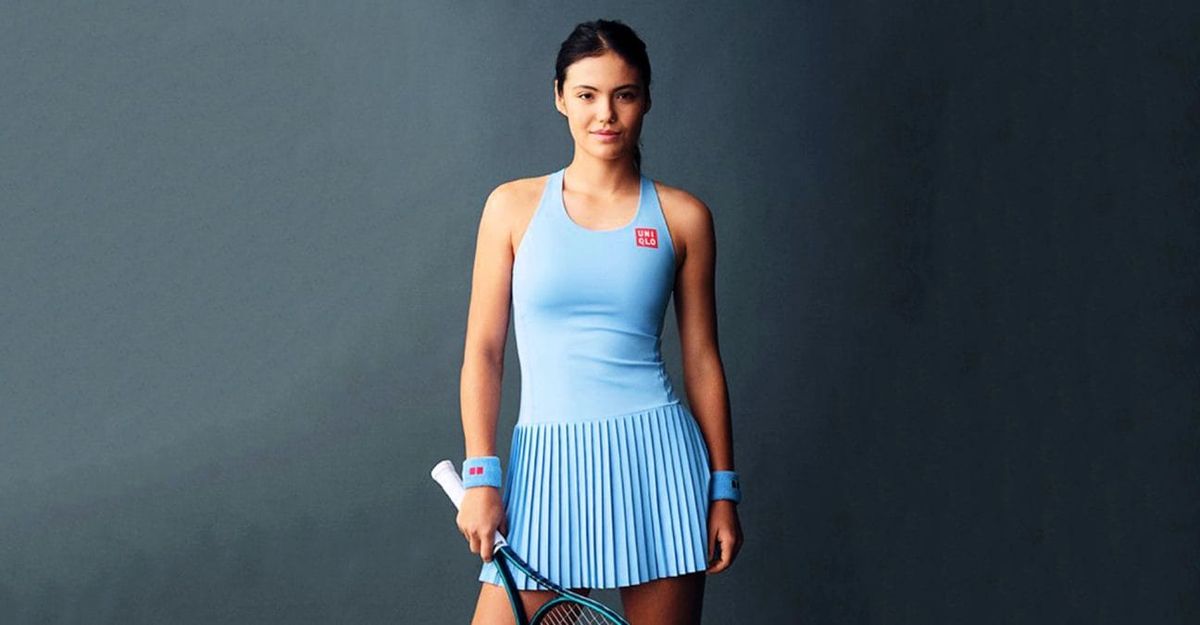
Emma Raducanu’s move from Nike to UNIQLO is less about apparel and more about identity. In today’s tennis marketplace, global resonance and cultural crossover are becoming as valuable as trophies. Her reported $3.5 million per year contract, plus performance bonuses, positions her as a lifestyle ambassador rather than a performance‑dependent endorser.
UNIQLO’s LifeWear philosophy emphasizes inclusivity, contribution to society, and everyday excellence. By signing Raducanu, the brand is investing in her ability to inspire across demographics, much like Roger Federer did when he joined UNIQLO in 2018. For Raducanu, the deal provides stability and visibility even during periods of fluctuating form on the court. It also signals UNIQLO’s intent to expand its ambassador roster beyond established legends, betting on a younger player whose appeal lies in her multicultural background and global reach.
Placed alongside other marquee tennis contracts, the scale of Raducanu’s deal becomes clearer:
- Roger Federer – UNIQLO: Reported at $300 million over 10 years (~$30M annually). This remains the benchmark for lifestyle‑driven endorsements, structured to emphasize cultural influence rather than performance.
- Novak Djokovic – Lacoste + endorsements: Estimated at ~$25M annually. His portfolio includes apparel, racquet sponsorship, and luxury brands, reflecting his dominance and longevity at the top of the sport.
- Carlos Alcaraz – Nike: Reported in the $15–20M annual range. His deal includes personal logo branding and reflects his status as the sport’s rising superstar.
- Naomi Osaka – Nike + portfolio: Consistently cited around $60M annually. She is one of the highest‑paid female athletes globally, with crossover appeal that extends into fashion, tech, and lifestyle ventures.
- Emma Raducanu – UNIQLO: Reported at $3.5M annually plus bonuses. While modest compared to others, it is significant given her age and career stage and marks her as UNIQLO’s first women’s singles ambassador.
Federer’s deal remains the gold standard, Osaka’s portfolio demonstrates how cultural influence can eclipse performance, and Djokovic and Alcaraz’s contracts are tied closely to dominance and rising stardom. Raducanu’s contract, by contrast, leans on brand alignment and cultural resonance.
What makes Raducanu’s deal particularly significant is the timing. At just 23, she is still navigating the early stages of her career, with rankings that have fluctuated since her breakout US Open win where she shocked the tennis world emerging as champion after coming through the qualifiers. Yet UNIQLO’s investment suggests confidence in her long‑term marketability. The brand is not simply buying into her current form but into her ability to connect with audiences across continents, cultures, and languages.
This reflects a broader shift in tennis sponsorships: global identity is becoming as valuable as rankings. For brands, athletes who embody cultural crossover and lifestyle appeal are long‑term investments. For Raducanu, this partnership ensures she remains relevant and visible, even as she navigates the ups and downs of professional tennis.
In the end, Raducanu’s UNIQLO deal is less about numbers on a scoreboard and more about numbers in the marketplace. It’s a bet that her story, her background, and her ability to inspire will carry as much weight as her forehand. And in today’s sponsorship landscape, that may be the most valuable currency of all.
Jake Scudder
Journalist - topics of tennis