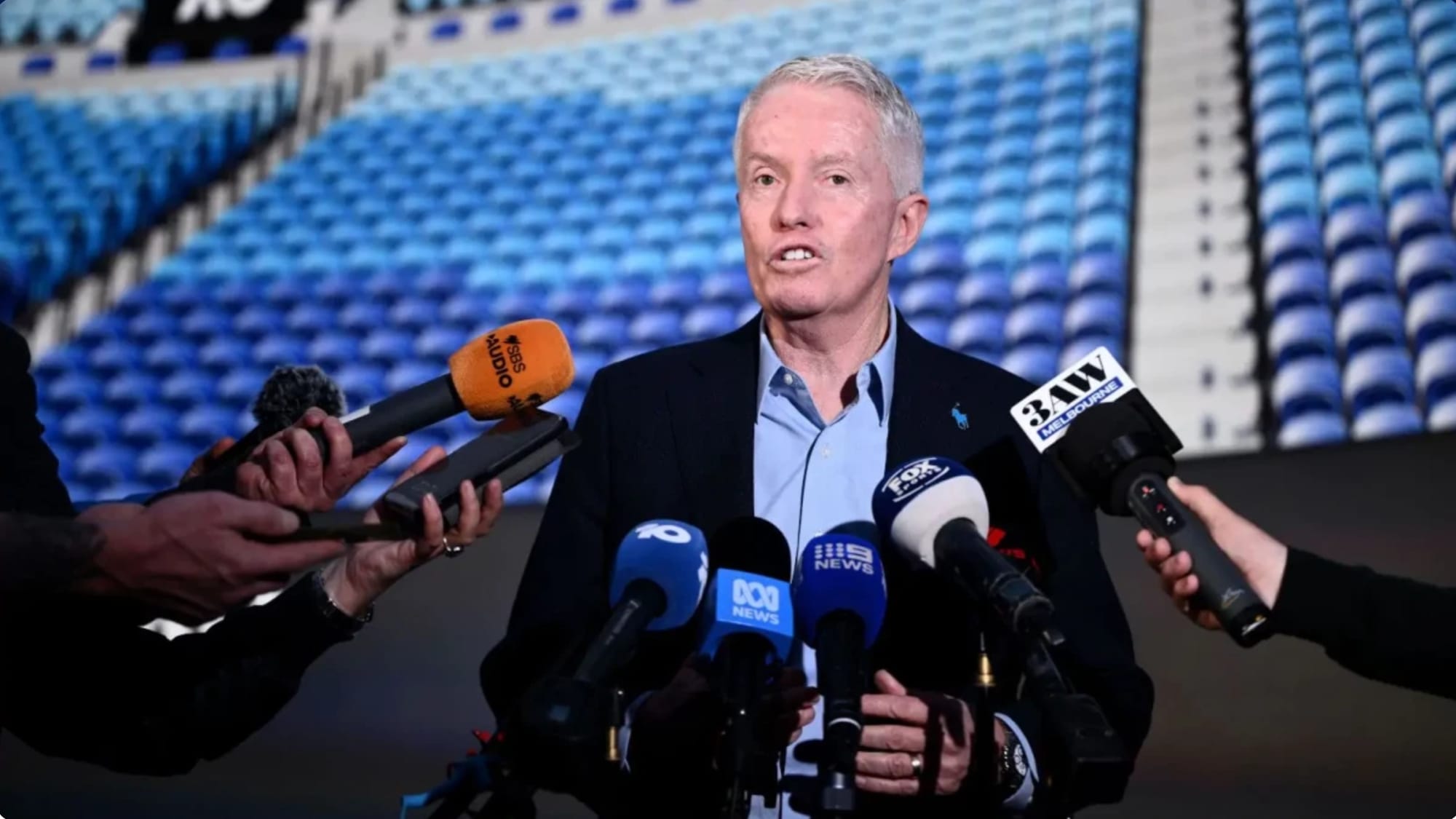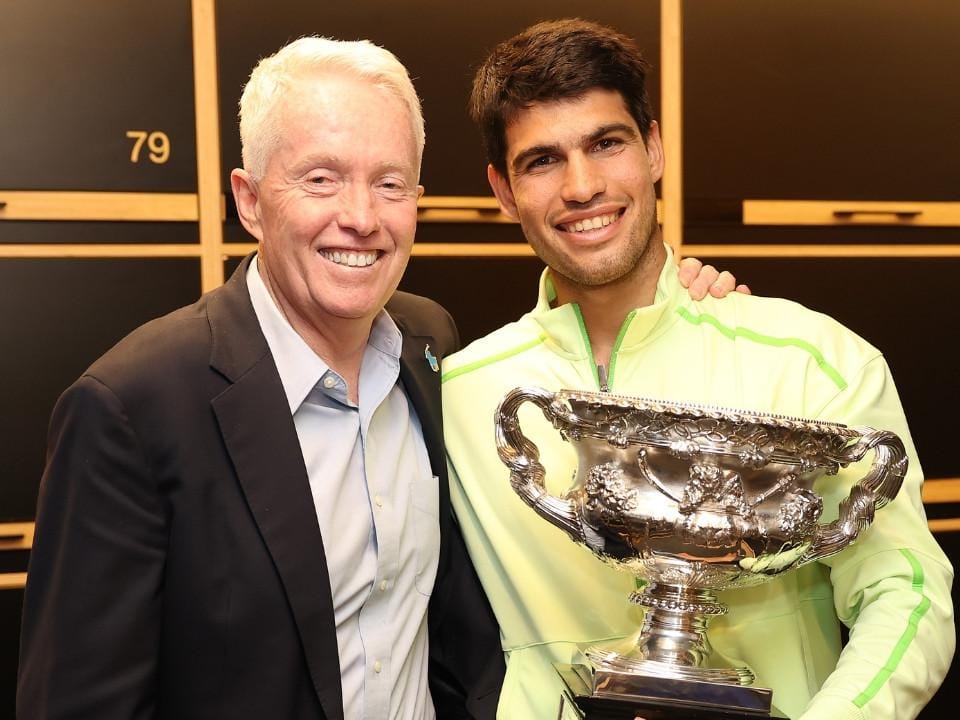
How Craig Tiley Saved the Australian Open & Now Aims to Grow Tennis in U.S.
The Australian summer of tennis was always a staple in my family. Mum would turn on Roger Federer’s matches, and I’d sit glued to the screen, watching the Swiss maestro glide across the court before unleashing that wicked one‑handed backhand. I was a young boy then, still learning the rules of the game and asking endless questions — everything from how the scoring system worked to what “Garnier Fructis” meant, as I learned (thanks Mum!) it was a French cosmetics company with its branding splashed across the back of the court. Back in 2006, the courts were green, I was just beginning to understand the sport, and Tennis Australia had signed a new director — Craig Tiley. His face would become more and more familiar as the Australian Open blossomed into the Happy Slam, a tournament that grew rapidly into one of the best in the world.
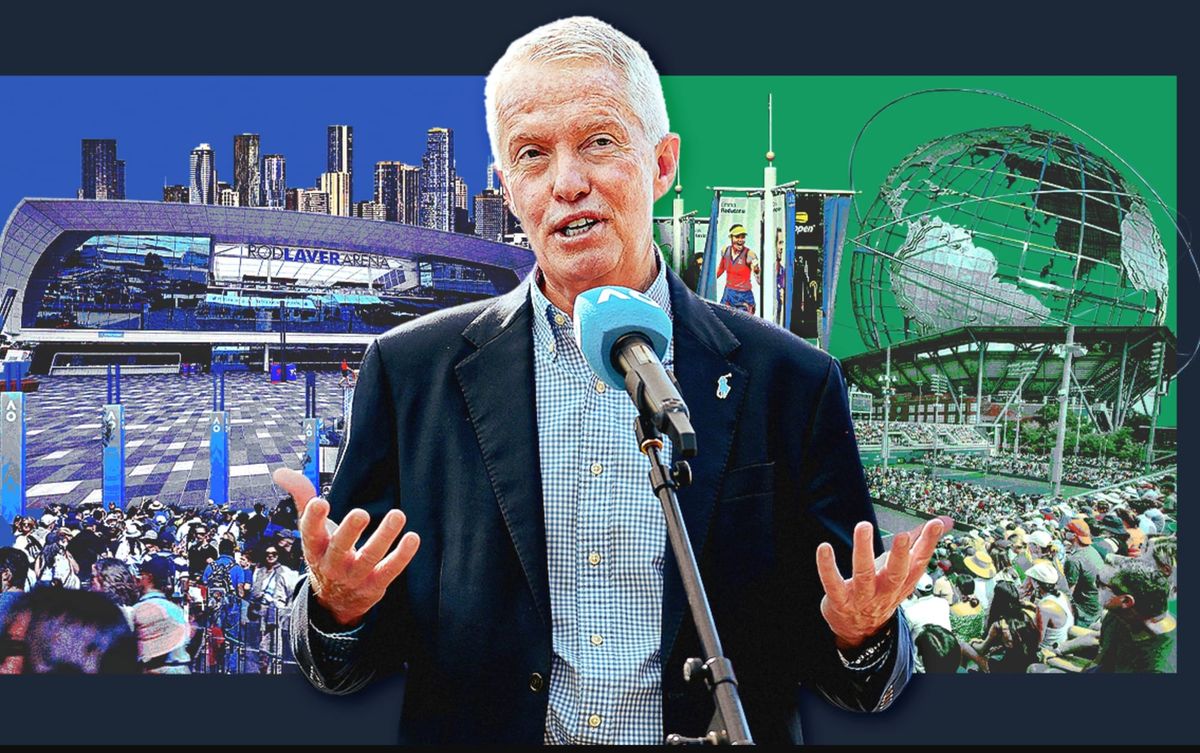
Tiley’s tenure as Tournament Director and later CEO of Tennis Australia was defined not only by growth but by resilience. In the late 2000s, Melbourne came dangerously close to losing its Grand Slam. With the Victorian Government’s contract expiring in 2016, rival cities like Shanghai, Dubai, and Sydney were circling, eager to claim the first Slam of the year. The future of the Happy Slam hung in the balance. Tiley’s leadership, combined with a crucial $363 million investment into Melbourne Park in 2010, ensured the Australian Open stayed where it belonged. That redevelopment was the first of three stages, ultimately securing the tournament’s place in Melbourne until 2046. Today, the AO is not only a sporting spectacle but an economic powerhouse, generating nearly $3.5 billion for Victoria over the past decade and drawing more than 1.3 million fans in 2026 alone.
His determination was tested again during the COVID‑19 pandemic. In 2021, when global sport was in disarray, he refused to let the Australian Open slip away. Tennis Australia spent its entire $80 million cash reserve and took on a $40 million loan to stage the event under strict lockdown conditions. Chartering planes to bring players into Australia, Tiley ensured the Slam went ahead, protecting its reputation and preventing doubts about the long journey to Melbourne. His philosophy was clear: missing even one edition could have permanently damaged the AO’s standing in the tennis calendar. That foresight preserved the tournament’s prestige and reinforced its identity as the Happy Slam — a celebration of tennis that players and fans alike cherish.
Beyond the Australian Open, Tiley’s impact on tennis participation in Australia was monumental. Under his leadership, tennis became the second most played sport in the country behind soccer. Over five years, participation grew by 30 percent, online court bookings tripled, and coach membership rose by 44 percent. Female coaches increased by 60 percent, now representing a third of the coaching workforce. This balance of grassroots expansion and global event innovation defined Tiley’s approach. He understood that the health of the sport depended not just on marquee events but on everyday accessibility, community engagement, and inclusivity.
Now, Tiley is set to bring that vision to American tennis. The United States Tennis Association has appointed him as its next CEO, with a clear mandate: accelerate participation growth and achieve the ambitious goal of 35 million players by 2035. USTA Board Chair Brian Vahaly described Tiley as the rare leader who combines “global credibility at the highest level of the sport and a proven commitment to growing the game at the grassroots.” With six consecutive years of participation growth in the U.S. — reaching 27.3 million players in 2025 — the momentum is strong. Tiley’s appointment signals a desire not just to sustain that growth but to transform how tennis is marketed, experienced, and connected to communities across America.
As sad as it is to see Tiley depart Tennis Australia, he leaves the sport here in great shape. The Happy Slam is secure, thriving, and more beloved than ever. And as a tennis fan, you know he is the man for the job in America — the leader who can elevate the game, expand its reach, and give tennis a greater standing in the global sports world. From Melbourne to New York, Craig Tiley’s influence continues to shape the future of the sport we love.
Jake Scudder
Journalist - topics of tennis