The Rio Open’s Commitment to Sustainability and Social Impact

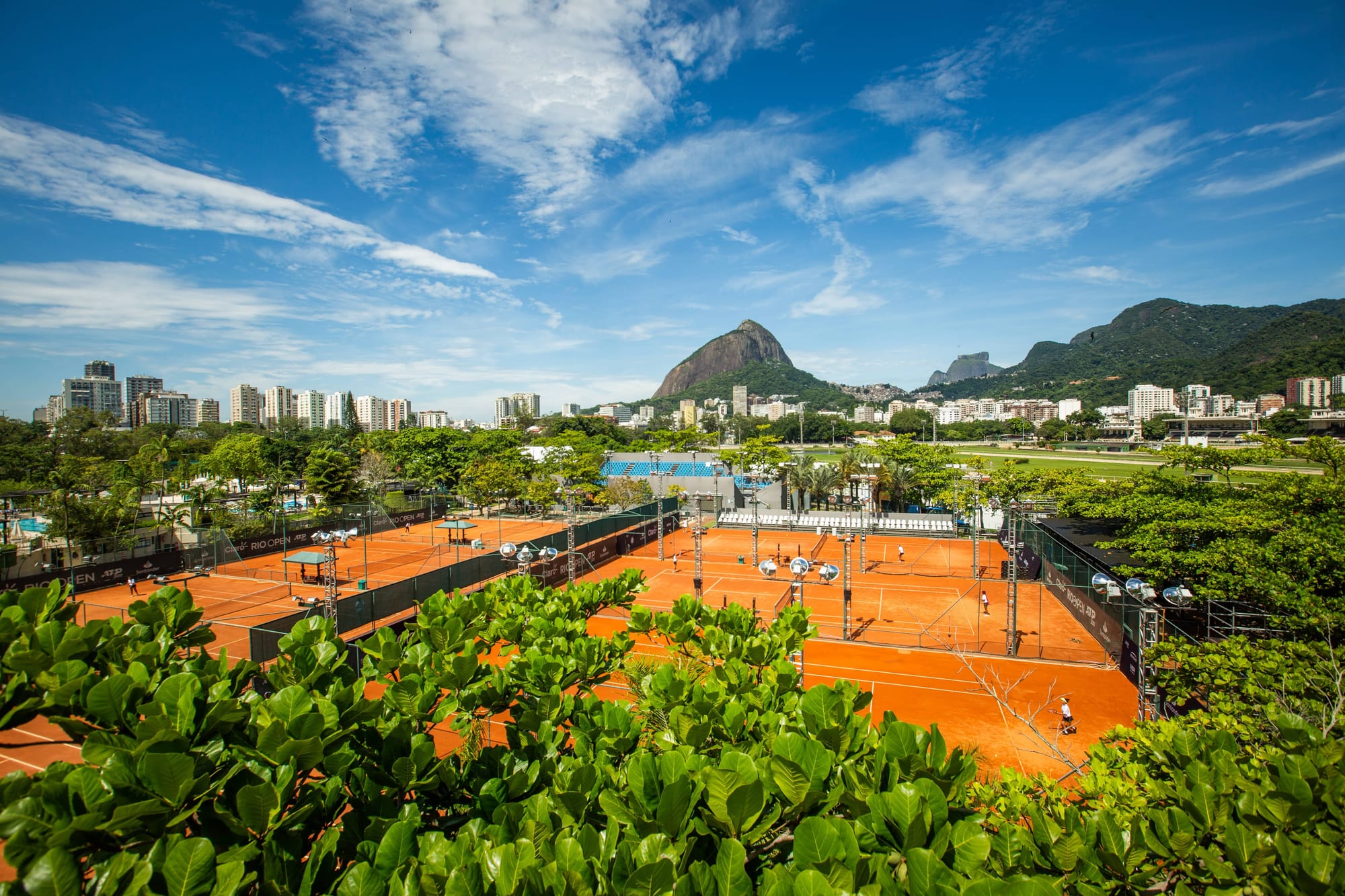
The Rio Open has grown into South America’s flagship tennis tournament, but its ambitions extend far beyond one week in Rio de Janeiro. In recent years, the event has become a test case for how a major competition can embrace sustainability and social responsibility, turning the spectacle of tennis into a platform for environmental action and community impact.
One of the most distinctive initiatives is Neutraliza Rio Open, an interactive campaign that allows fans to offset the carbon emissions generated by their travel to the tournament. Whether arriving by plane, car, or bus, spectators can enter their ticket code and transportation details online to neutralize their journey’s footprint at no cost. It is a simple gesture, but one that reflects a broader philosophy: climate responsibility should be woven into the experience of attending sport, not treated as an afterthought.
China currently leads global carbon emissions, contributing about 34% of the total, while the United States accounts for roughly 12%. India and Russia follow with significant shares, but Brazil’s emissions are comparatively moderate. Brazil produces approximately 467 million tonnes of CO₂ annually, representing about 1.2% of global emissions, with per capita emissions of around 2.2 tonnes. This relatively low figure reflects Brazil’s energy mix and ongoing efforts to reduce deforestation and expand renewable energy use. Compared to highly industrialized nations, Brazil’s per-person carbon footprint remains modest, highlighting both its distinct environmental challenges and its progress.
The Neutraliza Rio Open programme sits within the broader Rio Open Green platform, the tournament’s environmental pillar. Since 2020, Rio Open Green has offset more than 6,486 tonnes of CO₂e, with credits generated by renewable energy production at the Jirau Hydroelectric Power Plant. The figures illustrate steady progress: 400 tonnes neutralized in 2020, more than 1,100 in 2022, and over 1,800 in 2025. For four consecutive years, the United Nations has certified the Rio Open as a Carbon Neutral Event, a rare distinction in professional tennis.
The tournament’s impact, however, is not confined to emissions. Across Rio de Janeiro, five social projects receive direct support from the event, ranging from donated equipment to training sessions with professional players. Each year, dozens of children are selected to serve as ball kids, gaining not only a role in the tournament but also exposure to opportunities that can shape their futures. In 2018, two teenagers from these projects were invited by FedEx to London, where they joined the select team of ball kids at the ATP Finals and shared the court with Roger Federer and Novak Djokovic.
The Rio Open also stages the Winners competition, giving young players the chance to compete on the same courts as the professionals. Victors earn prizes that extend beyond Brazil, such as training weeks at IMG Academy in the United States or entry into the Copa Guga Kuerten. More than 600 students from public schools and communities across Rio have attended the tournament, many experiencing tennis for the first time. The event has also broken new ground in accessibility, hosting its first clinic for people with disabilities. Nineteen participants, including wheelchair users and individuals with Down syndrome, took part in the session, which featured the legendary Maria Esther Bueno in one of her final public appearances.
Taken together, these initiatives demonstrate how the Rio Open has reimagined the role of a tennis tournament. It is not only a showcase of athletic excellence, but also a driver of environmental stewardship and social inclusion. By offsetting emissions and opening doors for young people, the Rio Open shows that sport can serve a higher purpose.
Jake Scudder
Journalist - topics of tennis