Turning Myth into Marketing Magic the Transylvania Open's Unique Tennis Experience
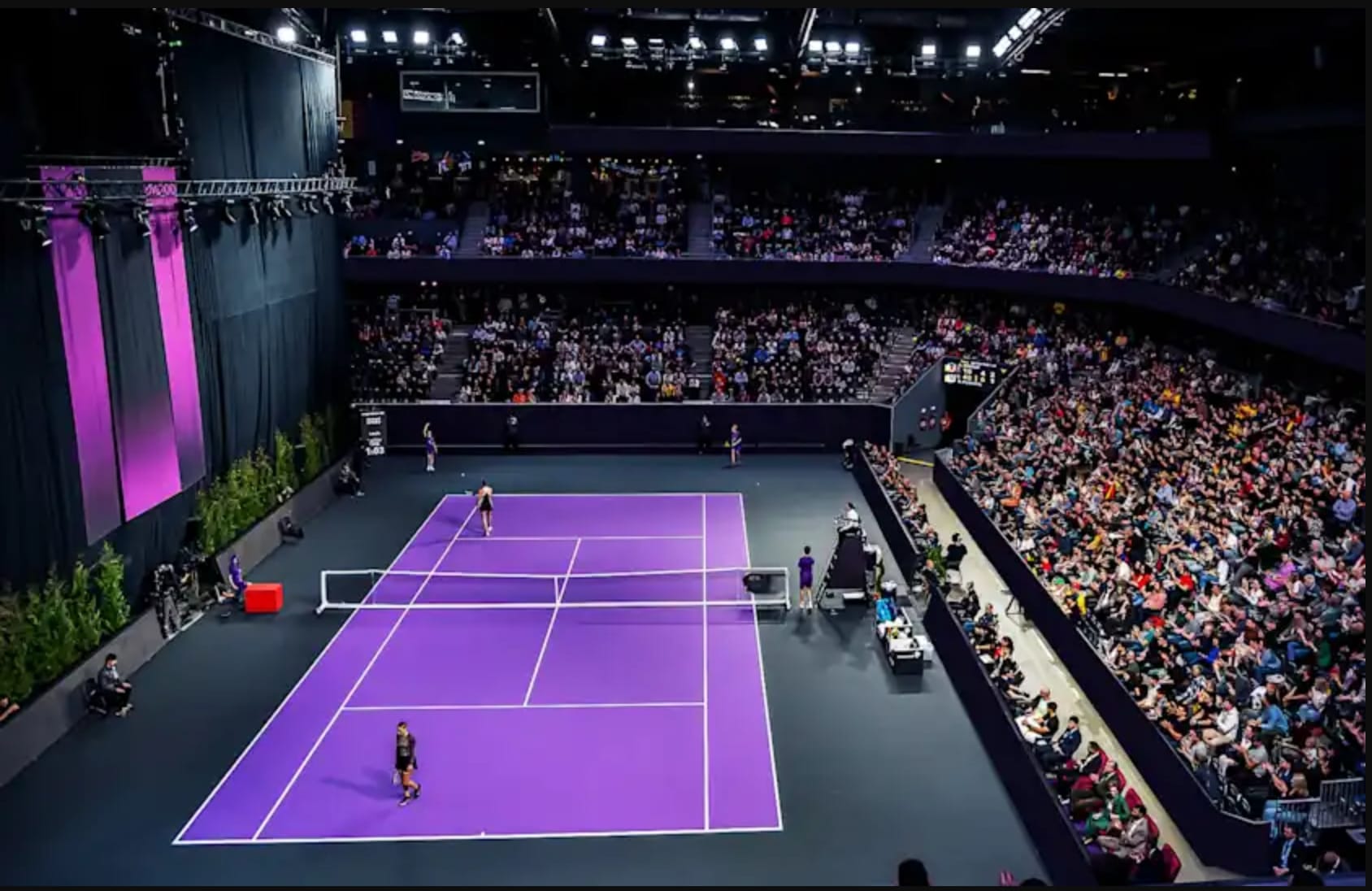
In Cluj-Napoca this week, the Transylvania Open feels less like a routine stop and more like a destination: a compact, electric week of indoor tennis that arrives with its own mythology. The BT Arena’s lights pick out more than baseline rallies on a bright purple court—they illuminate a story that stretches from Bram Stoker’s pages to modern marketing decks, from local pride to a national tourism play. That story is Dracula, and the tournament has learned to use it not as a cheap gimmick but as a durable identity that makes this WTA 250 feel unmissable.
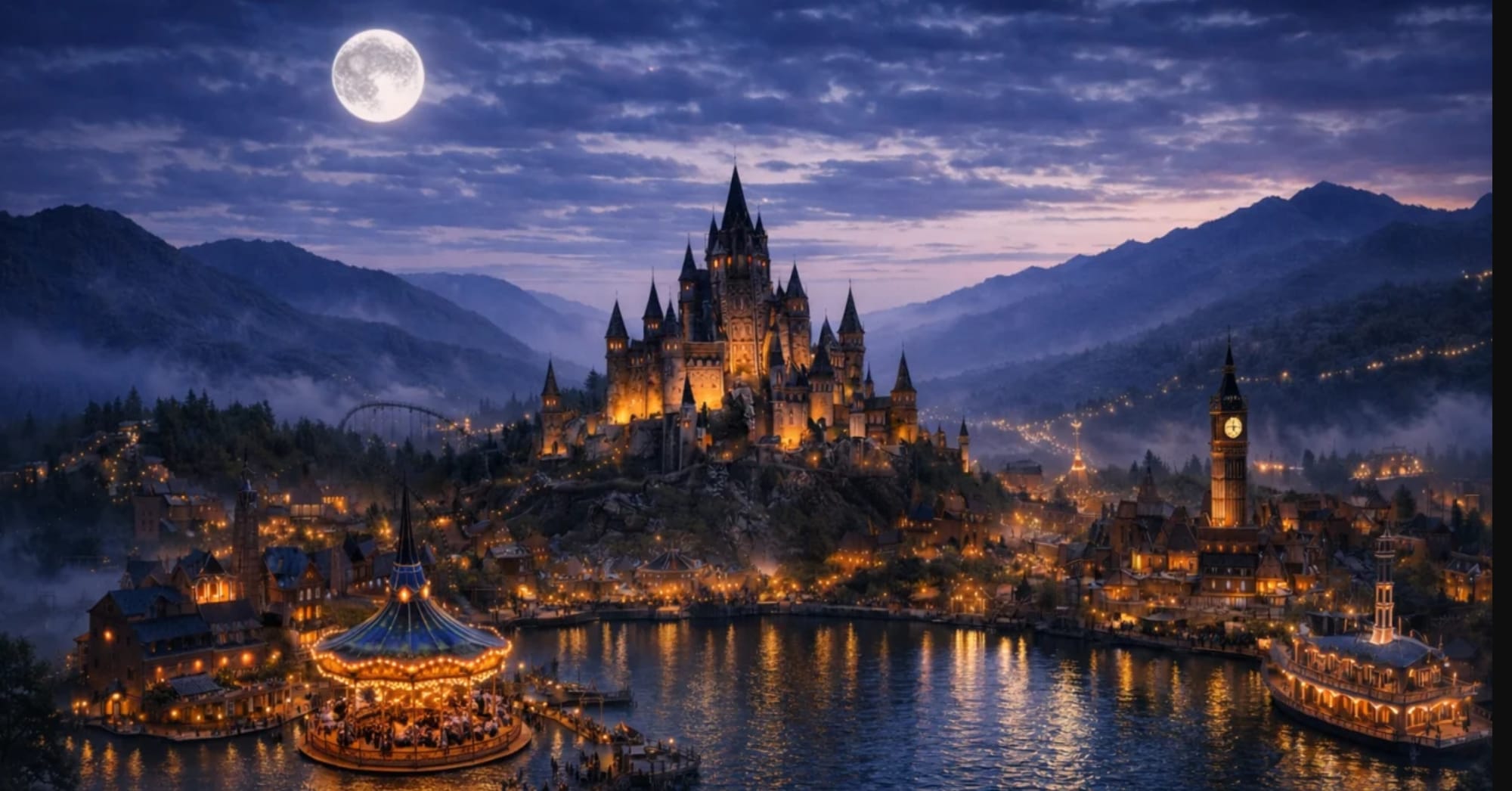
The roots of the Dracula myth are messy and fascinating. Bram Stoker’s 1897 novel grafted Victorian anxieties onto a patchwork of regional tales and historical memory. At the center sits Vlad Țepeș, a 15th-century ruler whose reputation for ruthless justice and impalement became, in the hands of fiction and later film, the seed of a global gothic brand. Transylvania—a real place with layered history—became shorthand for dark castles, misted forests, and the uncanny. That shorthand is what the Transylvania Open borrows, not to mock the past, but to give the tournament a narrative frame that international media and casual visitors instantly understand.
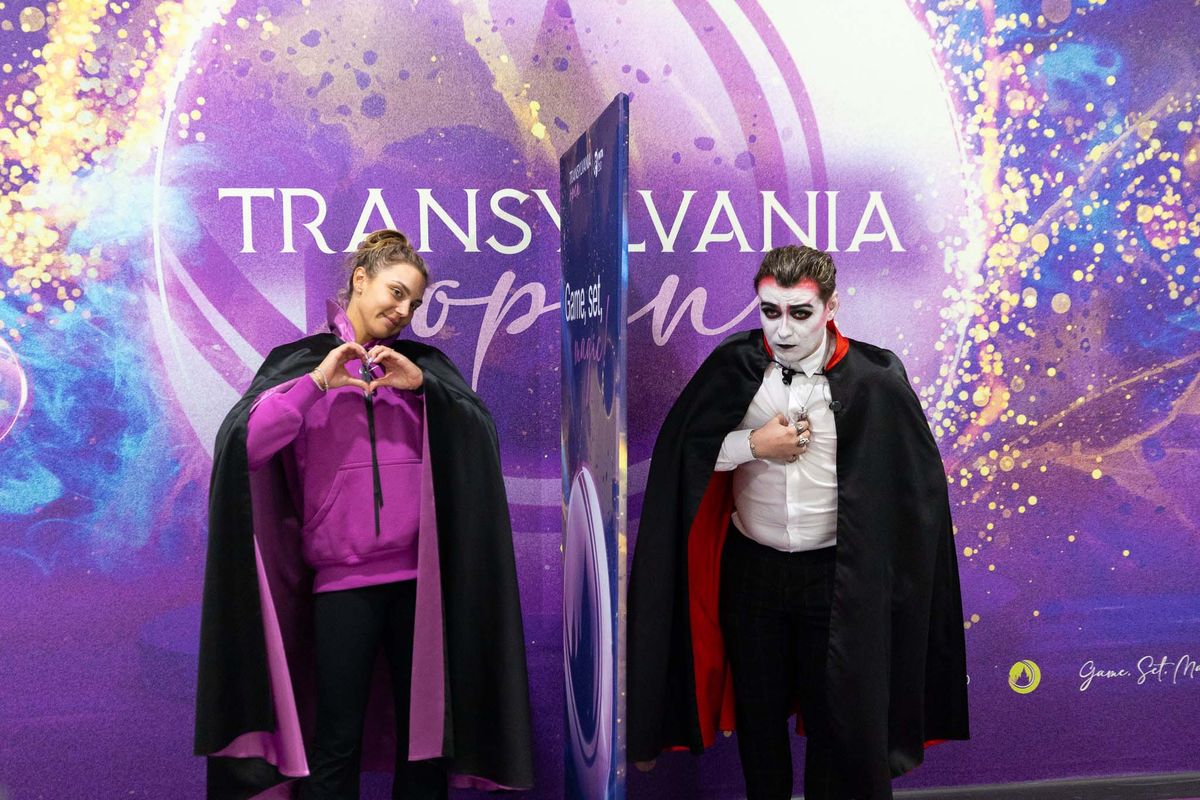
On court, the week is serious tennis. Romanian names—Sorana Cîrstea, Jaqueline Cristian, Gabriela Ruse—carry the local story. The matches are the core product, but the packaging matters. The tournament’s visual language—gothic motifs, moody lighting, playful nods to Dracula lore—creates a sense of occasion that elevates routine early-season matchups into must-see moments. For fans who travel for tournaments, that sense of place is the difference between a weekend of matches and a memorable trip. For broadcasters and social channels, it’s a ready-made narrative that travels easily: See tennis in Transylvania reads like an invitation and a headline at once.
Kaufland Romania’s role as presenting sponsor has been central to turning that identity into something more than spectacle. The retailer has used the partnership to run community-facing initiatives tied to the tournament—programs that emphasize accessibility, youth participation, and local club support. Those activations translate logo exposure into measurable social impact and give the Transylvania Open a credibility that offsets any charge of kitsch. The result is a sponsorship that looks and feels strategic: Kaufland gets a distinctive platform, and the tournament gets initiatives that matter to local audiences.
Beyond the week in Cluj, the Transylvania Open sits inside a larger national conversation about how Romania monetizes its cultural assets. Plans for a large-scale Dracula-themed entertainment project—widely discussed as a multi-hundred-million- to billion-euro development—signal a willingness to turn folklore into infrastructure: theme parks, immersive attractions, hotels, and year-round programming. If realized, the project would make Dracula a tourism anchor in the same way other countries have built entire regions around a single cultural draw. The Transylvania Open, with its Dracula-adjacent branding, becomes a natural partner in that ecosystem: a sporting event that introduces visitors to the story and a marketing touchpoint for a broader tourism funnel.
That alignment creates real commercial opportunities. For sponsors, the tournament is no longer just a week of logo impressions; it is a gateway to a cultural narrative that can be extended across retail, hospitality, and seasonal programming. For local businesses, the event brings a spike in foot traffic and an international audience that can be converted into longer stays. For the WTA, the Transylvania Open demonstrates how a lower-tier event can amplify its profile by leaning into place and personality rather than trying to mimic the look of bigger tournaments.
There are trade-offs. Leaning on Dracula risks being dismissed as novelty if the tournament does not balance spectacle with substance. That is why the social initiatives and community investments matter: they anchor the branding in real outcomes and give sponsors a defensible story to tell. There is also reputational risk in tying too much of a tourism strategy to a single IP; a healthier approach diversifies the pitch to include Romania’s food, architecture, and cultural festivals alongside the gothic narrative.
For the tennis fan deciding where to spend a weekend—or the curious traveler weighing a trip—the Transylvania Open now offers a clear proposition: high-quality WTA tennis in a compact, media-friendly setting, wrapped in a cultural story that is both instantly recognizable and genuinely local.
If you are scanning the WTA calendar for events that deliver more than matches, put Cluj-Napoca on the list. The Transylvania Open has turned folklore into a competitive advantage, and in doing so it has made itself a stop that is as much about place and narrative as it is about points and prize money. In a tour crowded with lookalike weeks, this one arrives with a mood, a myth, and a marketing engine behind it—an invitation to see tennis in a setting that feels, in every sense, alive.
Jake Scudder
Journalist - topics of tennis