When Logos Collide: Frances Tiafoe’s Marker Moment and the Odd History of Sponsorship Enforcement in Sport
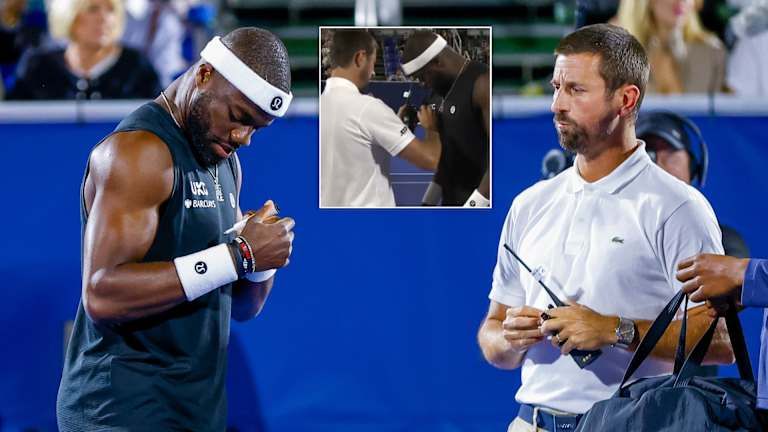
Frances Tiafoe walked onto court at the Delray Beach Open expecting a routine first‑round match. Instead, he found himself at the center of one of the strangest sponsorship enforcement scenes tennis has ever seen. His sleeveless Lululemon tank carried three logos — Lululemon, UXG, and Barclays, but the ATP rules only allow two logos on the front of sleeveless shirts. With no compliant kit available, the chair umpire called for a black marker. In front of a stunned crowd, the Barclays logo was scribbled out. Fans booed, commentators laughed in disbelief, and Tiafoe himself later posted eye‑roll emojis on Instagram.
It wasn’t a clash with an existing tournament sponsor, as I assumed in the moment, having witnessed sponsor clashes before. It was simply the ATP’s uniform code being enforced to the letter. Yet the image of a top‑10 player reduced to a DIY fix on centre court captured the absurdity of how fragile sponsorship visibility can be.
This kind of improvisation isn’t new. In 2003, the Perth Wildcats, who play in Australia’s National Basketball League (NBL), had to tape over their “Player” betting agency sponsor when competing in New Zealand, where gambling ads from overseas operators were banned. It was a sight for sore eyes seeing the backs of their jerseys covering the prohibited logo in what can only be described as a ''players job'', with uneven cuts of tape masking the branding.
Motorsport, Formula 1 spent decade's disguising Marlboro logos with barcode‑like designs after tobacco advertising restrictions came into force. Even Wimbledon had its own fashion controversy in 2016, when Nike’s flowing dresses looked more like nightgowns than tennis kits, forcing players to adjust hems mid‑match. More recently, French player Terence Atmane breached his Asics contract by wearing Nike trainers, only to lose his sponsorship entirely and compete without brand support.
What all these moments share is the collision of commerce, regulation, and sport’s image. Sponsors want visibility, governing bodies enforce codes, and athletes are caught in the middle. Sometimes the solution is tape, sometimes the correct shoes (cough! Terence), and in Tiafoe’s case, a black marker. For fans, these fixes look bizarre and unprofessional (mostly a great laugh). For players, they’re frustrating and costly. For sponsors, they’re reminders that visibility depends not just on contracts, but on compliance.
Tiafoe’s marker moment will be remembered for the absurdity of a scribble across his chest — a sight that took me back to the Italian restaurant my family frequented when I was a kid, where we were handed crayons to draw on the paper tablecloth. It joins the quirky history of sponsorship enforcement, a reminder that while logos drive the business of sport, they can also create its most surreal and enduring images.
Jake Scudder
Journalist - topics of tennis