Why the WTA’s Future Depends on Getting Its Calendar Right

For years, the WTA calendar has been a puzzle with too many mismatched pieces — a global tour stretched across continents, squeezed into tight windows, and increasingly out of sync with the physical and commercial realities of the modern game. The creation of the new WTA Architecture Council is the clearest acknowledgment yet that the tour’s structure needs more than a tune‑up. It needs a redesign.
At its core, the calendar problem is a business problem. A sport that relies on global storytelling can’t build momentum when its top athletes are navigating long‑haul flights, inconsistent event standards, and a schedule that often feels reactive rather than strategic. Fans feel the inconsistency. Broadcasters feel it. Sponsors feel it. And players — the people who actually carry the product — feel it most of all.
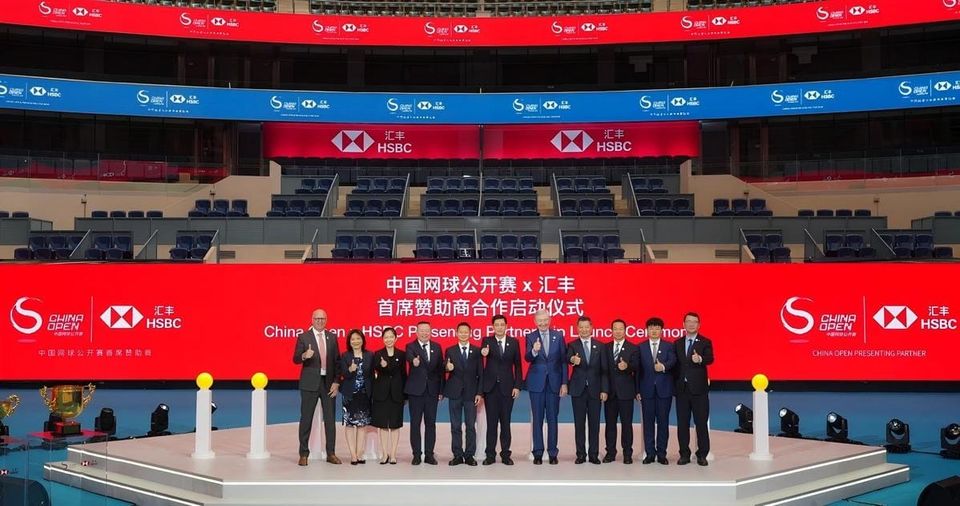
The WTA’s expansion into new markets has been one of its greatest strengths. Latin America, the Middle East, and Southeast Asia have all shown they’re ready for top‑tier tennis. But growth without structure creates friction. When tournaments compete for dates rather than complement each other, the result is a fragmented narrative and a physically unsustainable workload. A sport that wants to be global must also be coherent.
That’s where the Architecture Council matters. Led by Council President Jessica Pegula, the group has been tasked with rethinking the logic of the tour rather than simply rearranging it. Pegula has been direct about the urgency behind the project, saying, “There have been a lot of player complaints about the current tennis schedule… my priority is to improve the tennis calendar.” It’s a rare moment where a top‑five player is also one of the sport’s clearest voices for structural reform.
But reform only works if the communication matches the ambition. Not everyone is convinced the council is engaging players effectively. Elena Rybakina recently criticized the Pegula‑led group for “a lack of communication with top players,” a reminder that even well‑intentioned change can fall flat if the sport’s biggest stars don’t feel included in the process.
Still, the opportunity is enormous. A smarter calendar could unlock more consistent star participation, stronger regional identities, and a clearer narrative arc for broadcasters to build around. It could also give fans what they crave — continuity, rivalries, and a season that builds toward something rather than feeling like a series of disconnected stops.
If the WTA gets this right, it won’t just fix a calendar. It will build a foundation for the next decade of the sport — one where growth is intentional, travel is logical, and the product on court reflects the ambition off it.
Jake Scudder
Journalist - topics of tennis