One Year In, the Cancún Country Open Already Looks Like a Different Tournament
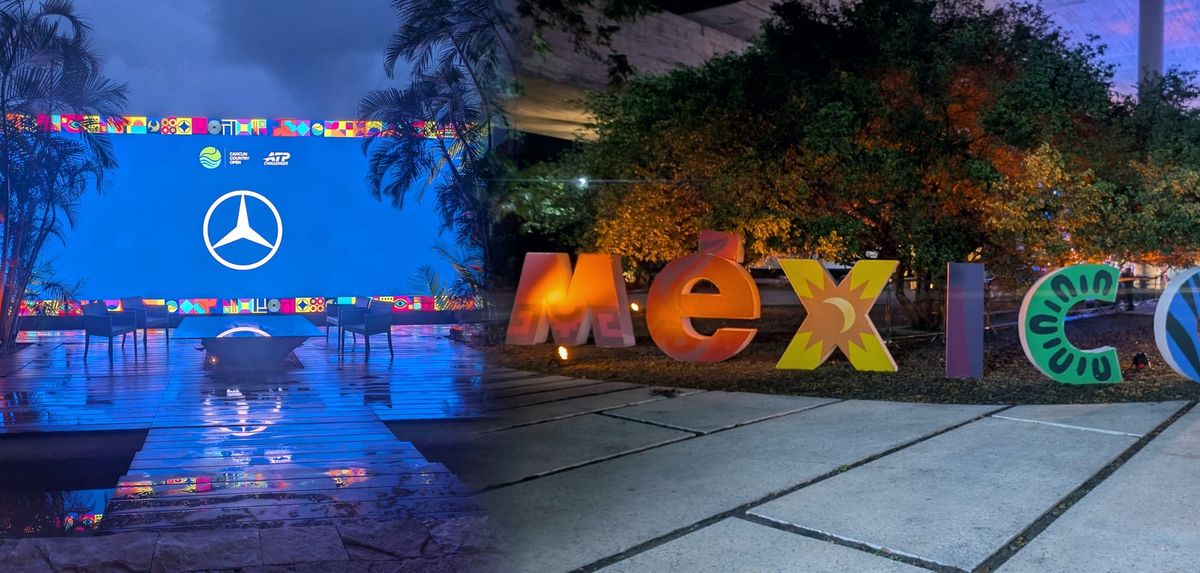
The Cancún Country Open is only in its second year, and it already looks like a different tournament than the one that launched in 2025.
A First Edition, Then a Statement Second One
The Cancún Country Open only started in 2025. Its first edition ran that August, an ATP Challenger 125, the second-highest category on the Challenger Tour, won by Dalibor Svrčina over Thiago Tirante in three sets. A solid debut, but a debut all the same.
A year later, the second edition looks like a tournament that's already had to prove something different. Not just growth, but the ability to absorb real disruption without missing a beat. Top players Thiago Tirante, Juan Manuel Cerúndolo, and Adam Walton were all entered here before withdrawing, not because of injury or a change of plans, but because all three are alive and winning at the Cincinnati Masters 1000, running the same week. Tirante's reason is the standout. He beat Novak Djokovic, a 24-time Grand Slam champion, in the second round, then won again in the third. Cerúndolo and Walton both won their opening matches too, and look to continue their impressive run of form.
That's the kind of last-minute disruption that could genuinely dent a smaller event's field just days out. Instead, the tournament adapted, still producing an elite-level event with defending champion Svrčina back to defend his title, proof that a well-run Challenger can absorb top players getting pulled away by bigger opportunities and still deliver.
The Sponsor Wall Tells the Same Story
On-site, the physical evidence of that growth is everywhere. The tournament's sponsor presence spans well past what a typical second-year Challenger usually pulls in. Scotiabank and Mercedes-Benz get individual rotating spotlights on the main digital display, the kind of premium placement usually reserved for a tournament's biggest partners. Around them sits a genuinely wide roster: Totalplay, FUNO, Europcar, Hilton, Waldorf Astoria Riviera Maya, Viceroy Residences Playa del Carmen, Xcaret México, and La Isla, Cancún's own shopping and lifestyle destination, among more than thirty logos on display across the venue.
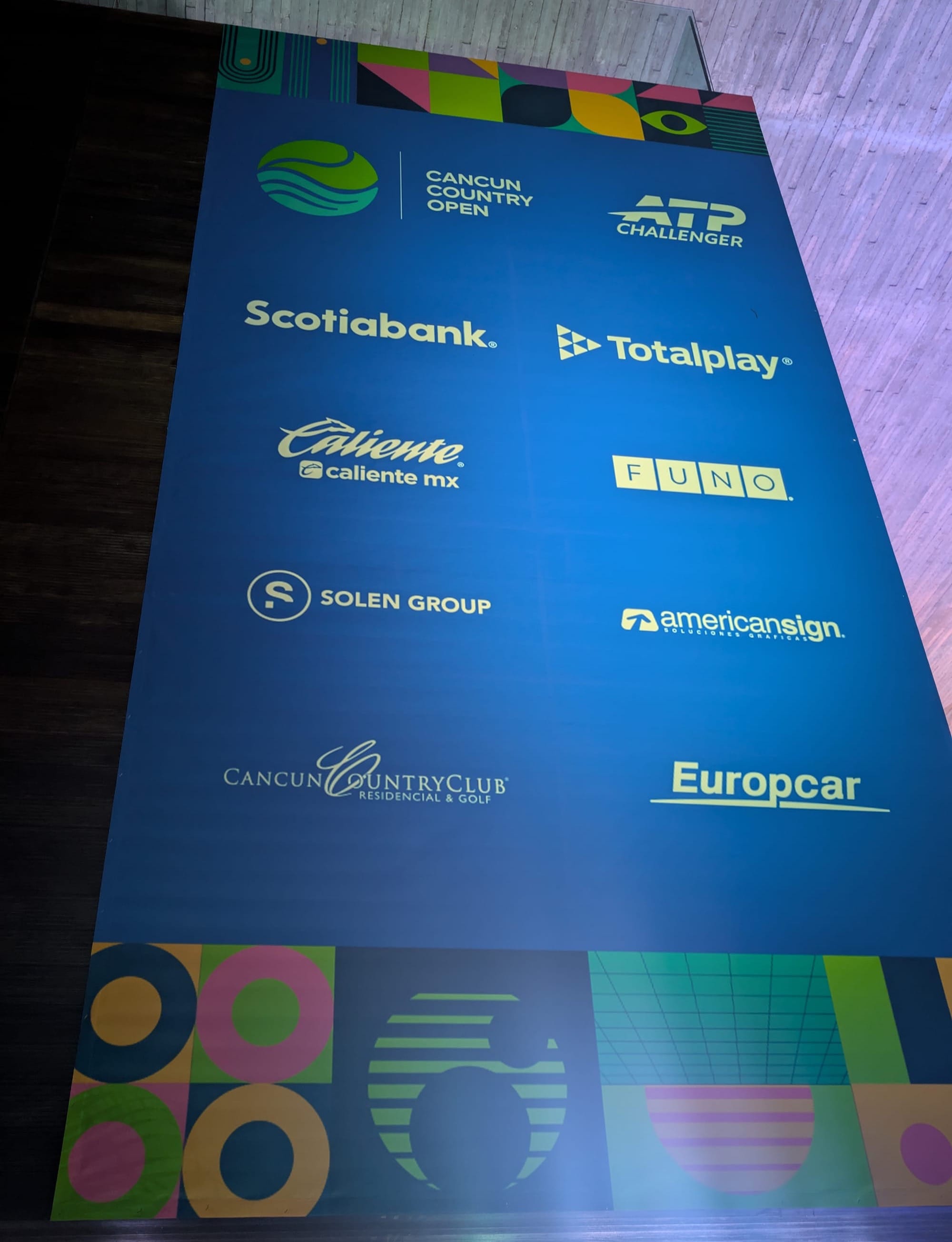
That hospitality and real estate cluster isn't incidental. The tournament lands in the third week of August deliberately, right as Cancún's high summer season winds down and the Caribbean coast's traditionally slower period begins. Sports tourism brings a different visitor than the typical beach vacationer, longer stays, spending spread across hotels, restaurants, ground transport, and everything in between, and this year's sponsor list reads like the region's hospitality sector has taken notice.
What a Year of Momentum Buys You
Last year's final was attended by the Governor of Quintana Roo, Mara Lezama, who led the award ceremony, with Cancún's municipal president represented by a delegate, a signal at the time that officials saw real value in the event. One year on, that early institutional backing appears to have translated into something concrete. A deeper sponsor base, a stronger field, and a tournament that no longer reads as a first-time experiment.
For a Challenger event, that's a remarkably fast trajectory. Most tournaments at this level spend years building the kind of sponsor wall and marquee wildcard list the Cancún Country Open has assembled by its second edition alone.
It also fits a pattern worth watching. As I wrote when profiling GS Sports Management's Gus Santoscoy, Mexico's tourism ambitions increasingly run through events exactly like this one. A tournament that can grow this fast in year two isn't just a tennis story, it's one more data point in a country actively building its case as a serious sporting destination.
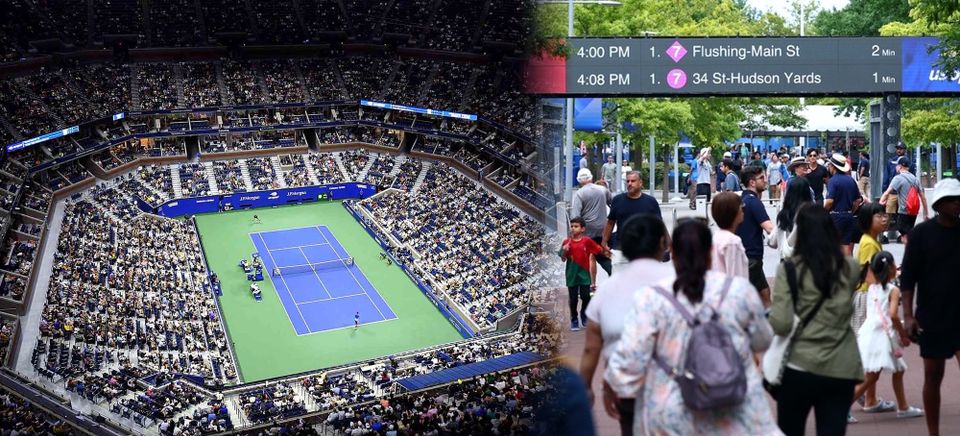
Where it sits on the calendar matters too. The tournament runs right into the final stretch before the US Open, whose main draw begins August 30, with Fan Week and qualifying already underway by the time Cancún wraps up. That's real estate on the calendar many players use to sharpen their form heading into the year's last Grand Slam, and it gives the tournament a natural draw beyond whatever field it manages to keep together each August.
Put the growth, the sponsor list, and the calendar position together, and it's hard not to see a tournament building real momentum. Two editions in, the Cancún Country Open already looks like it's positioning itself for more than just another week on the Challenger Tour.
Jake Scudder
Journalist – topics of tennis