Why Wimbledon Turns Down Sponsorship Money
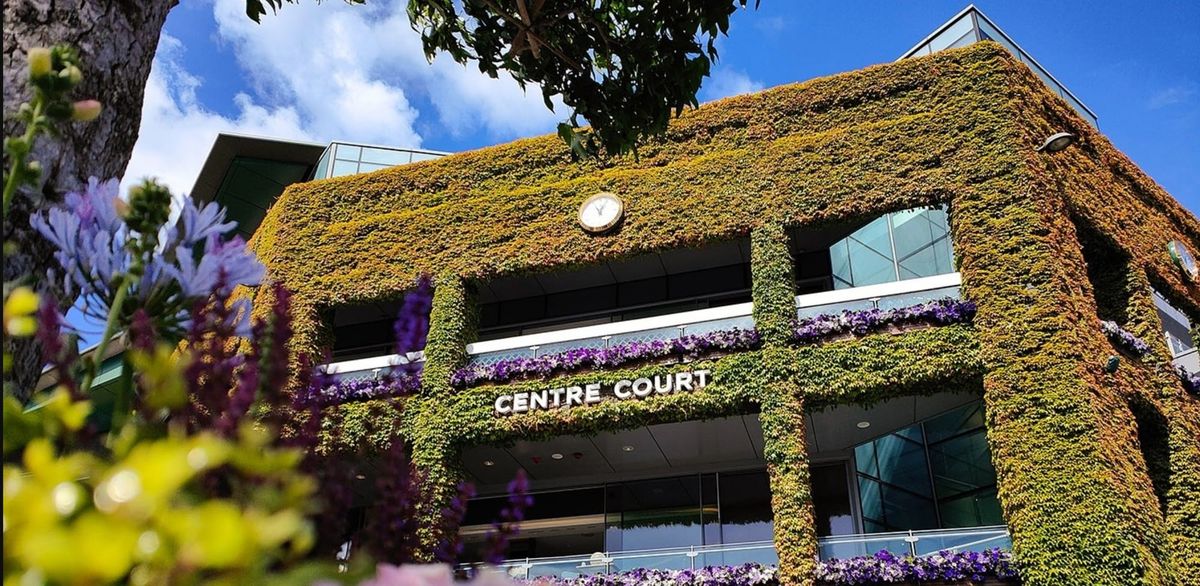
Walk the grounds at Wimbledon and you'd struggle to guess you're standing inside one of the most valuable two weeks in sport. There's no LED ring flashing around Centre Court. No naming rights deal stamped across the gates. No logo wallpaper behind every press conference backdrop. Just grass, strawberries, all-white kits, and a quiet hum of money working in the background, mostly out of sight.
That absence isn't an accident. It's the strategy.
The All England Club works with just 17 commercial partners, a number it has guarded for years rather than expanded. There's no title sponsor. No court-side branding on the playing surface itself. Barclays pays roughly £20 million a year to be Wimbledon's lead banking partner, and in exchange gets prestige by association rather than a logo anywhere near the baseline. Across the full partner roster, the tournament's sponsorship programme brings in somewhere around $124 million a year. And the relationship with Slazenger, supplying balls since 1902, is the longest continuously running sponsorship deal in the history of sport.
Most rights holders chase volume. More partners, more inventory, more logos, more short-term revenue. Wimbledon does the opposite, and it's worth sitting with why that works.
Sponsorship value isn't fixed. It moves with scarcity, the same way any limited asset does. Sell 40 sponsorship slots at a stadium and each one is competing for attention with 39 others, diluted into the background noise. Sell 17, hand-picked for brand fit, and each remaining slot inherits more of the property's prestige rather than less. The AELTC isn't leaving money on the table by saying no to extra partners. It's protecting the price of the slots it already has. Every brand that gets a "yes" from Wimbledon is paying, in part, for every brand that got a "no."
It's also a long game rather than a highest-bidder auction. The Club picks partners whose values sit comfortably next to its own, signs them for years rather than cycles, and gives them genuine activation opportunities inside a clean, uncluttered brand environment, one that enhances the partner rather than competing with it for eyeballs. That's a very different proposition to renting out a logo spot to whoever writes the biggest cheque this quarter.
There's a broader lesson in there for anyone working in sponsorship, not just the people running Grand Slams. The instinct under commercial pressure is almost always to sell more (more inventory, more partners, more visible branding) because that's the version of growth that's easy to point to in a board meeting. Wimbledon's model is a reminder that restraint can be the more commercially aggressive move, not the more conservative one. Sometimes the smartest sponsorship decision a property can make is the one it says no to.
Jake Scudder
Journalist - topics of tennis